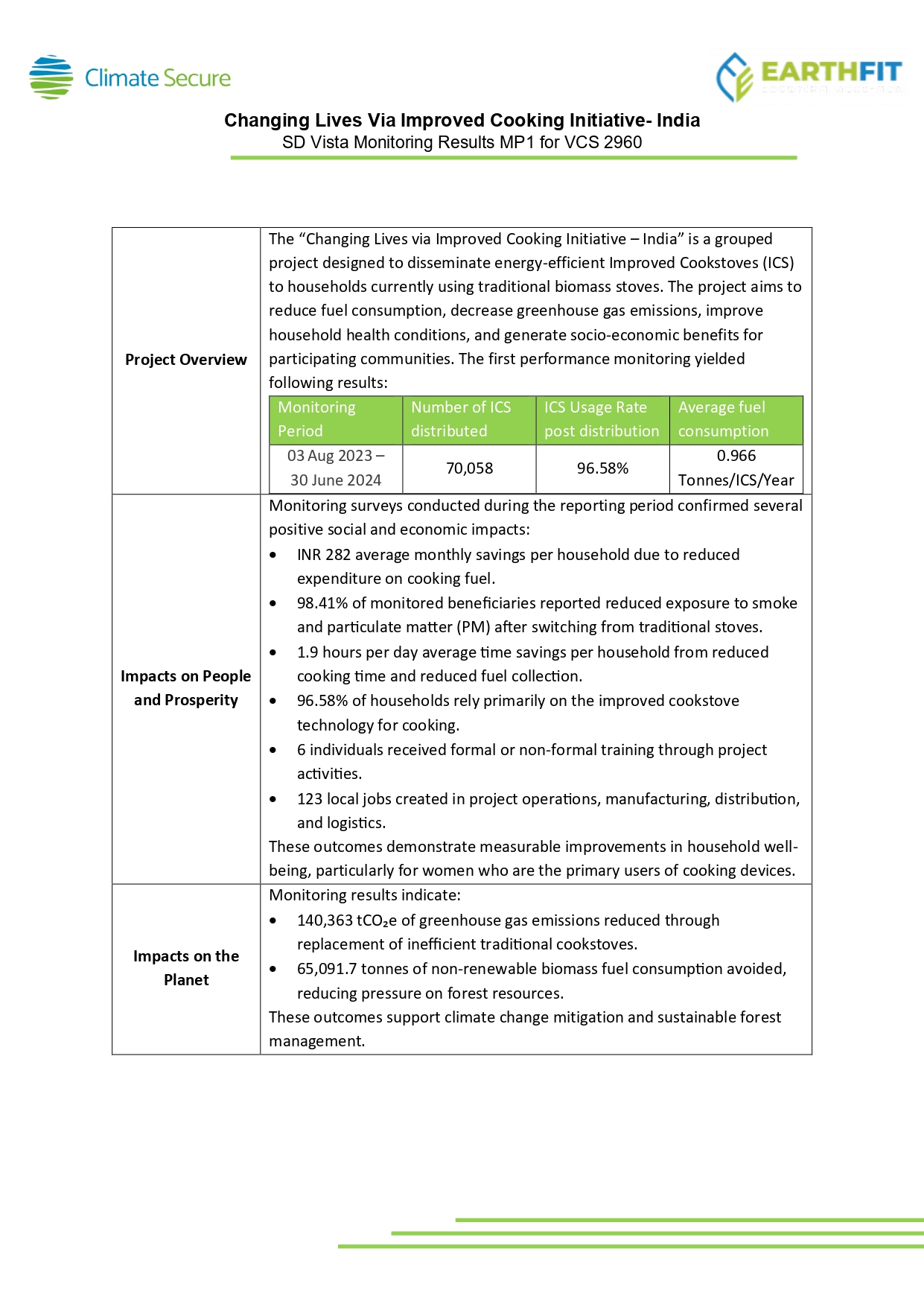
Rural livelihoods are vital to the economic and social fabric of many countries. These communities often rely heavily on traditional energy sources like wood, charcoal, and kerosene for cooking, heating, and light. While these sources may be accessible and affordable in the short term, they pose increased health risks and hinder progress toward carbon neutrality. As the world moves toward a more sustainable future, understanding the role of health outcomes in rural energy transition becomes essential for effective policy-making and implementation.
What is Rural Energy Transition?
Rural energy transition refers to the shift from traditional, often polluting energy sources to cleaner, sustainable alternatives such as solar, wind, and biomass. This transformation aims to improve living conditions, reduce environmental impact, and promote economic development. It involves not only upgrading infrastructure but also creating awareness and capacity-building within communities. The transition is a complex process influenced by factors like technological availability, economic feasibility, community acceptance, and government policies.
The process begins with identifying the energy needs of rural populations and assessing the most suitable renewable solutions. Implementing these solutions requires investments in infrastructure, such as solar panel installations or biogas digesters. Training community members ensures proper maintenance and usage, increasing adoption rates. Governments and organizations often provide subsidies or financial incentives to make the transition affordable.
As cleaner energy sources replace traditional fuels, health outcomes improve by reducing exposure to harmful indoor air pollutants caused by burning biomass or kerosene. For example, switching to solar-powered lighting prevents respiratory illnesses linked to indoor smoke. Furthermore, decreased reliance on manual firewood collection reduces physical strain and time burdens on women and children, contributing to overall well-being.
The transition also involves policy reforms and collaboration between various stakeholders. Building awareness campaigns, offering financing options, and establishing regulatory frameworks are critical steps. The ultimate goal is to create an enabling environment where rural communities have access to reliable, clean energy that supports sustainable development.
Many countries have undertaken initiatives that exemplify rural energy transition. In some regions, solar mini-grids have brought electricity to remote villages, allowing children to study after dark and entrepreneurs to operate small businesses. In others, biogas programs turn agricultural waste into cooking fuel, minimizing health hazards associated with traditional biomass combustion.
For instance, in a typical rural community, replacing open-fire cooking with LPG or solar cookers significantly reduces indoor air pollution. Such interventions lead to observable health benefits, including fewer cases of respiratory infections, eye problems, and even cardiovascular conditions over time. In addition to health benefits, these changes can also lead to economic savings as families spend less on fuel and medical expenses.
The integration of health outcomes into rural energy policy efforts is increasingly recognized as a key factor for success. For example, health impact assessments are now used to evaluate how clean energy projects influence community health. When policymakers understand that improving health outcomes encourages community participation, they are more likely to design programs that are culturally sensitive and sustainable.
Another use case involves monitoring and evaluation tools that track reductions in indoor air pollution and related health metrics. These tools provide evidence-based insights that support further investments in renewable energy infrastructure. In this way, health outcomes become both a justification and a measurable benefit of the energy transition.
Moreover, organizations like Earthfit Solutions play a crucial role by offering comprehensive consulting that considers health impacts in the planning and deployment of renewable energy projects. Their expertise ensures that rural livelihoods are enhanced not just economically, but also through tangible health improvements, facilitating a more resilient and sustainable energy transition.
The transition to cleaner, renewable energy sources in rural areas is essential for achieving global goals such as carbon neutrality while simultaneously enhancing health outcomes. Moving away from traditional fuels reduces indoor air pollution, decreases respiratory and cardiovascular diseases, and improves quality of life. Successful rural energy transitions depend on technological solutions, community engagement, supportive policies, and continuous monitoring of health impacts.
By prioritizing health outcomes in planning and implementation, stakeholders can foster greater community acceptance and ensure the sustainability of energy projects. The efforts to improve rural livelihoods through these transitions are multifaceted but ultimately contribute to a healthier environment, stronger communities, and a more sustainable future.
Earthfit Solutions supports this vital process by providing expert guidance on integrating health considerations into energy projects. Their specialized approach ensures that rural communities not only access cleaner energy but also experience improved health and well-being, thereby advancing the broader goals of carbon neutrality and sustainable development.

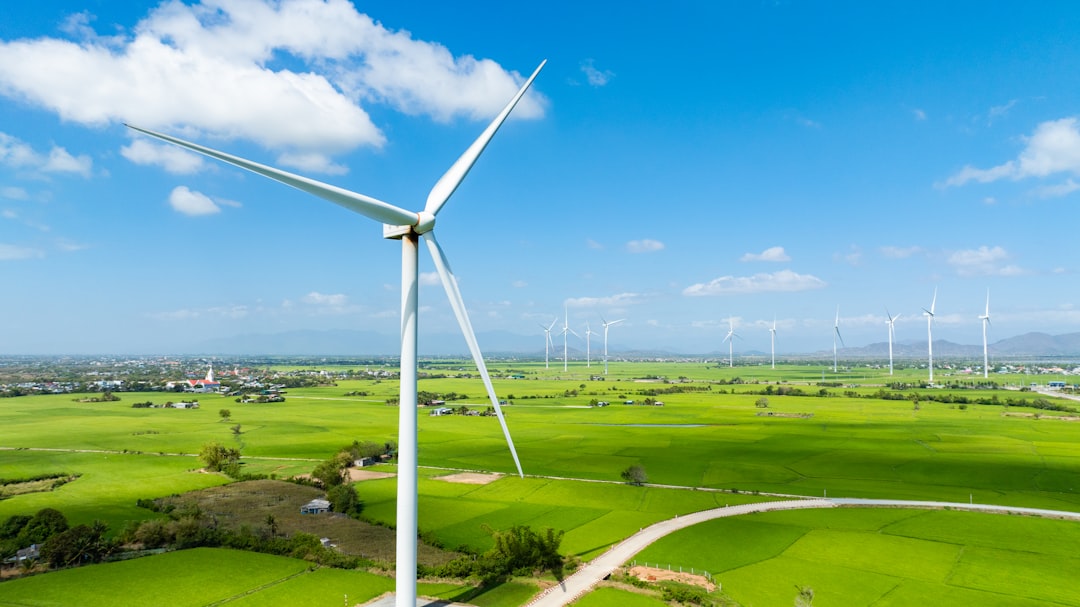
Discover impactful CSR initiatives for clean energy and sustainability in 2026. Explore innovative strategies that make a difference!
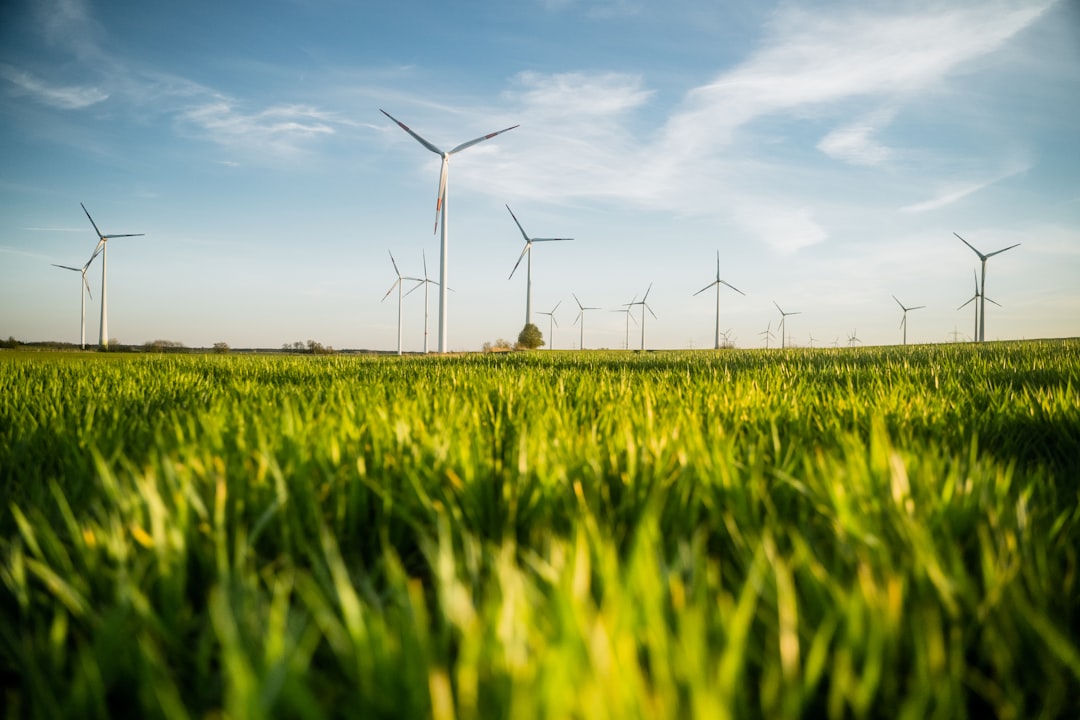
Explore how clean energy solutions, like clean cookstoves, pave the way for a sustainable future driven by policy changes.
Copyright © 2025 EARTHFIT. All Rights Reserved. Designed and developed by Five Online