The push for net-zero emissions has never been more urgent. As countries and corporations strive to combat climate change, the integration of Internet of Things (IoT) technology into the clean energy sector has become a pivotal driver of innovation and progress. In 2026, remarkable advancements are shaping the way we produce, manage, and consume renewable energy sources. These developments not only accelerate our journey toward sustainability but also foster more efficient, reliable, and cost-effective energy systems. Understanding these key updates is crucial for stakeholders committed to achieving net-zero emissions and supporting global climate goals.
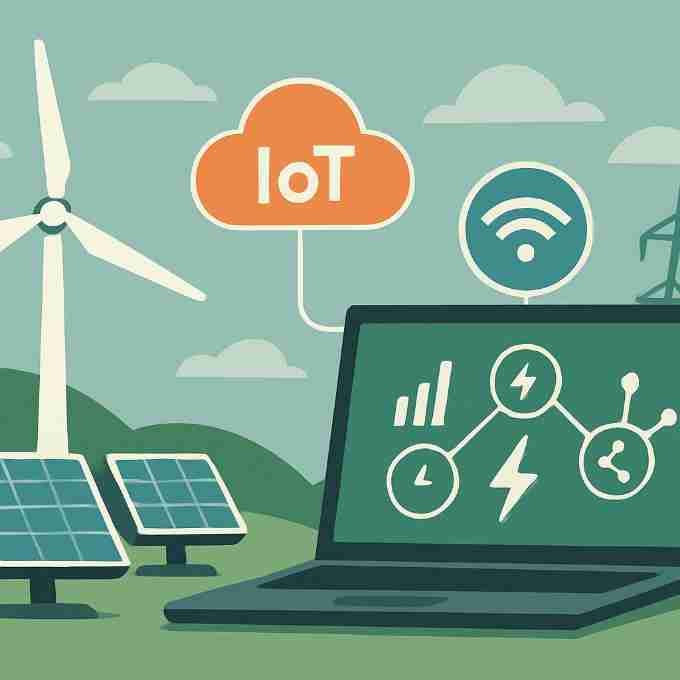
In 2026, IoT technology continues to evolve rapidly, transforming the clean energy landscape. Smart grids are becoming more sophisticated, enabling better demand response and grid stability. Devices connected through IoT sensors provide real-time data on energy production and consumption, allowing operators to optimize their systems and reduce waste. Solar and wind farms now employ advanced IoT sensors for maintenance, fault detection, and performance monitoring, resulting in higher efficiency and reduced downtime.
The deployment of predictive analytics powered by IoT devices has become more widespread. These systems forecast energy demand and supply fluctuations with remarkable accuracy, helping energy providers adjust their operations proactively. Additionally, Internet of Things-enabled battery management systems have significantly improved energy storage solutions, making renewable energy more dependable and ready for wider adoption.
Another significant development in 2026 is the integration of IoT into microgrid systems. Microgrids offer localized energy management, enabling communities and businesses to generate, store, and consume energy independently of the main grid. IoT facilitates seamless control and monitoring of these systems, enhancing resilience and self-sufficiency even during grid outages or extreme weather events.
One of the most noteworthy trends in 2026 is the proliferation of smart meters and connected energy meters. These devices are now standard in residential and commercial buildings, providing consumers with real-time feedback on their energy use. This transparency encourages energy conservation, supports demand-side management, and helps achieve net-zero emissions by reducing unnecessary consumption.
Smart sensors integrated into renewable energy infrastructure allow for remote diagnostics and predictive maintenance. This reduces operational costs and extends the lifespan of assets such as solar panels, wind turbines, and batteries. Companies have leveraged IoT-enabled Drones and robotic systems to conduct inspections and repairs in hard-to-access locations, minimizing downtime and safety risks.
In the realm of data management, cloud-based IoT platforms have become more sophisticated. They aggregate and analyze vast quantities of data from countless sensors, providing actionable insights in an instant. Such platforms support large-scale integration of distributed energy resources, facilitating a more resilient and flexible grid that can adapt to fluctuating renewable energy inputs.
Furthermore, the rise of interoperable IoT standards ensures compatibility across devices and systems from different manufacturers. This promotes a more cohesive energy ecosystem where data flows smoothly, enabling better coordination and optimization. Governments and industry players are promoting open standards to drive collaboration and accelerate the deployment of smart energy solutions.
The surge in IoT applications for clean energy reflects a broader shift toward digital transformation in the energy sector. These developments enhance operational efficiency, reduce greenhouse gas emissions, and promote energy independence. IoT-enabled systems allow for granular control and monitoring, providing detailed insights not previously available.
One critical insight is that IoT technology is a catalyst for decarbonization. By optimizing renewable energy flows and storage, it helps flatten supply variability, a fundamental challenge in renewable energy integration. As a result, reliance on fossil fuels decreases, helping nations meet their net-zero emissions targets more effectively.
Another important aspect is energy equity. IoT-driven microgrids and smart energy meters can empower underserved communities. They offer opportunities for local energy generation and management, reducing dependency on centralized infrastructure. This democratization of energy access supports global sustainability goals and fosters resilience in vulnerable regions.
However, challenges persist. Data security remains a concern as increasing connectivity expands attack surfaces. Additionally, integrating IoT devices across diverse infrastructure requires robust standards and interoperability protocols. The high upfront costs of deploying large-scale IoT systems can also be a barrier, especially for smaller players.
Despite these hurdles, the overall trajectory is promising. Technological advancements continue to lower costs and improve the robustness of IoT systems. As more stakeholders recognize the value of digital energy solutions, investments in IoT for renewable energy are expected to grow exponentially.
The ongoing integration of IoT in clean energy solutions in 2026 points toward a future where energy systems are more intelligent and autonomous. Smart grids empowered by IoT will become the backbone of sustainable cities, enabling real-time balancing of supply and demand on unprecedented scales.
Looking ahead, the roll-out of AI-driven IoT analytics will further enhance predictive capabilities. These tools will enable autonomous decision-making, from adjusting plant operations to managing energy storage based on weather forecasts and consumption patterns. Such systems will dramatically improve grid resilience and reduce operational costs.
The development of standardized, interoperable IoT protocols promises a more cohesive global energy network. This will facilitate cross-border energy trading of renewable power, contributing to international climate commitments and economic growth.
In the longer term, IoT’s role in supporting net-zero emissions will expand beyond energy production and distribution. It will influence areas such as carbon capture, smart buildings, and transportation systems. Connected electric vehicles, enabled by IoT, will optimize charging routines to maximize renewable energy use and minimize emissions.
As investors and policymakers increasingly prioritize sustainability, increased funding and supportive regulations will accelerate IoT adoption in clean energy. This transformation will create millions of new jobs, foster innovation, and help shift the global economy onto a more sustainable trajectory.
In 2026, IoT stands as a critical enabler of the clean energy revolution. Its capabilities to monitor, control, and optimize renewable energy systems are revolutionizing how we approach sustainability and energy independence. With advancements in smart grid technology, battery management, predictive analytics, and interoperable standards, IoT is helping accelerate the transition toward net-zero emissions.
Addressing the associated challenges requires ongoing innovation, collaboration, and robust security measures. Stakeholders across industries and governments must continue to invest in scalable, secure IoT infrastructure to realize its full potential. The goal is a resilient, efficient, and sustainable energy future where clean energy is accessible and affordable for all.
Earthfit Solutions supports this transformative shift by providing innovative IoT-integrated energy management platforms. Their solutions enable organizations to harness the full power of IoT for optimizing renewable energy use, improving operational efficiency, and supporting sustainable development goals. As the sector advances, Earthfit Solutions remains committed to empowering businesses and communities to achieve their net-zero emissions objectives through cutting-edge IoT technology.

Discover impactful CSR initiatives for clean energy and sustainability in 2026. Explore innovative strategies that make a difference!
Explore how clean energy solutions, like clean cookstoves, pave the way for a sustainable future driven by policy changes.
Copyright © 2025 EARTHFIT. All Rights Reserved. Designed and developed by Five Online