Introduction
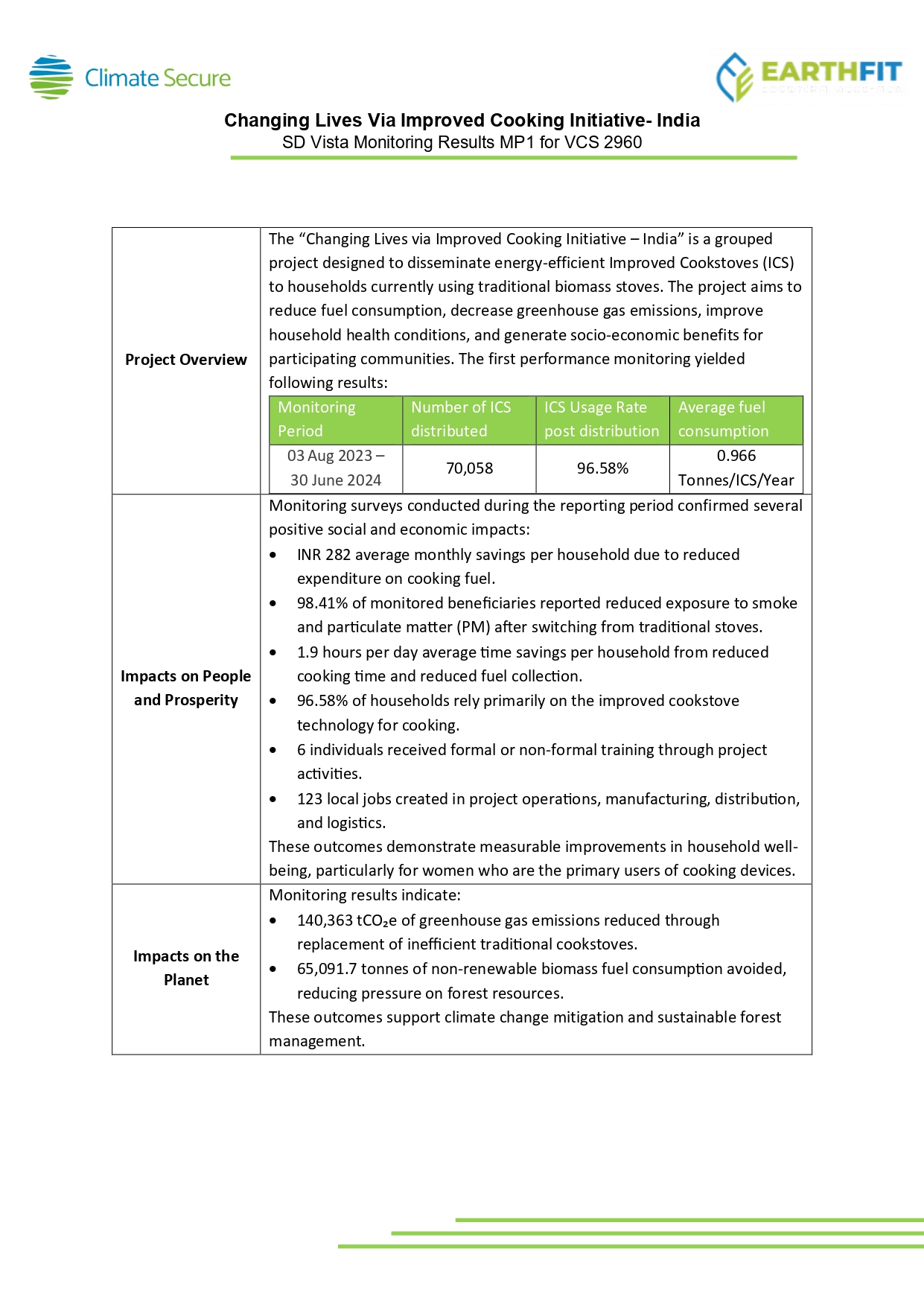
In the current age of increasing environmental awareness and the urgent need for climate action, carbon offsetting has gained significant traction. Companies and individuals alike are looking for ways to reduce their carbon footprint and contribute to a more sustainable future. However, managing and tracking carbon offset projects can be complex and challenging. This is where digital tools come into play, simplifying the process and making it more accessible for everyone. In this article, we will explore how digital tools are transforming carbon offset tracking and making it easier for businesses and individuals to participate in climate action initiatives.
About the Topic
Carbon offsetting involves investing in projects that reduce or remove greenhouse gas emissions to compensate for emissions produced elsewhere. This practice plays a crucial role in the fight against climate change by helping to balance out carbon footprints. Renewable energy systems and other sustainable initiatives are common projects supported through carbon offsets. However, ensuring the transparency and credibility of these projects is essential for their effectiveness.
Importance of Digital Tools in Carbon Offset Tracking
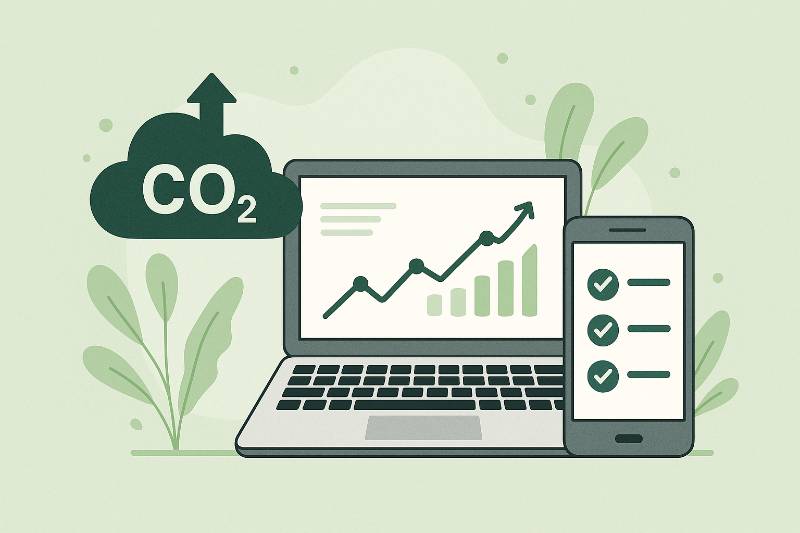
Digital tools have revolutionized the way we approach carbon offset tracking by providing efficient and transparent solutions. These tools allow for the monitoring, verification, and reporting of carbon offset projects in real-time, offering a level of accuracy and accountability that was previously difficult to achieve. By streamlining data collection and analysis, digital platforms make it easier for businesses and individuals to participate in carbon offset programs and track their environmental impact.
Use Cases
One significant benefit of digital tools in carbon offset tracking is the ability to track the journey of carbon credits from project inception to retirement. This transparency helps build trust and confidence in the efficacy of carbon offset projects. Moreover, digital platforms can provide detailed insights into the environmental impact of each project, allowing users to make informed decisions about which initiatives to support. By simplifying the process of purchasing and retiring carbon credits, these tools empower individuals and organizations to take meaningful climate action.
Future Outlook
The future of carbon offset tracking is undeniably digital. As technology continues to advance, we can expect even more sophisticated tools to emerge, further enhancing the transparency and effectiveness of carbon offset projects. Improved data analytics, blockchain integration for enhanced security, and user-friendly interfaces are just some of the developments we can anticipate in the coming years. With the growing emphasis on sustainability and environmental responsibility, digital tools will play a crucial role in driving positive change and accelerating the transition to a low-carbon economy.
Conclusion
In conclusion, digital tools such as earthfit offer a user-friendly and efficient way to track carbon offsets, making it easier for businesses and individuals to participate in climate action initiatives. By utilizing digital platforms, users can monitor their environmental impact, support renewable energy projects, and contribute to a more sustainable future. With the help of earthfit and similar tools, carbon offset tracking becomes more accessible and transparent, paving the way for meaningful contributions to reducing greenhouse gas emissions and combating climate change.

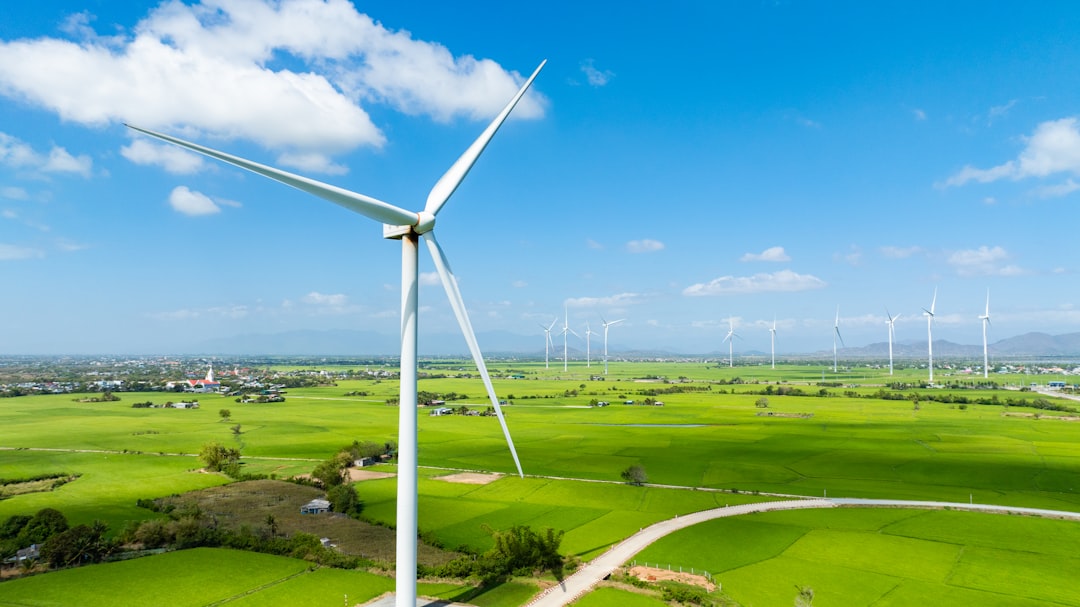
Discover impactful CSR initiatives for clean energy and sustainability in 2026. Explore innovative strategies that make a difference!

Explore how clean energy solutions, like clean cookstoves, pave the way for a sustainable future driven by policy changes.
Copyright © 2025 EARTHFIT. All Rights Reserved. Designed and developed by Five Online