Advancing Corporate Responsibility and Environmental Impact
Transitioning to renewable and cleaner energy sources is essential for a healthier planet. Businesses worldwide are seeking effective ways to reduce their environmental footprint and demonstrate corporate responsibility. Among the most impactful initiatives are adopting clean cookstoves, engaging in clean energy solutions, and participating in the voluntary carbon market. These strategies not only contribute to global sustainability efforts but also align with ESG solutions and CSR initiatives, fostering long-term value for companies and communities alike.
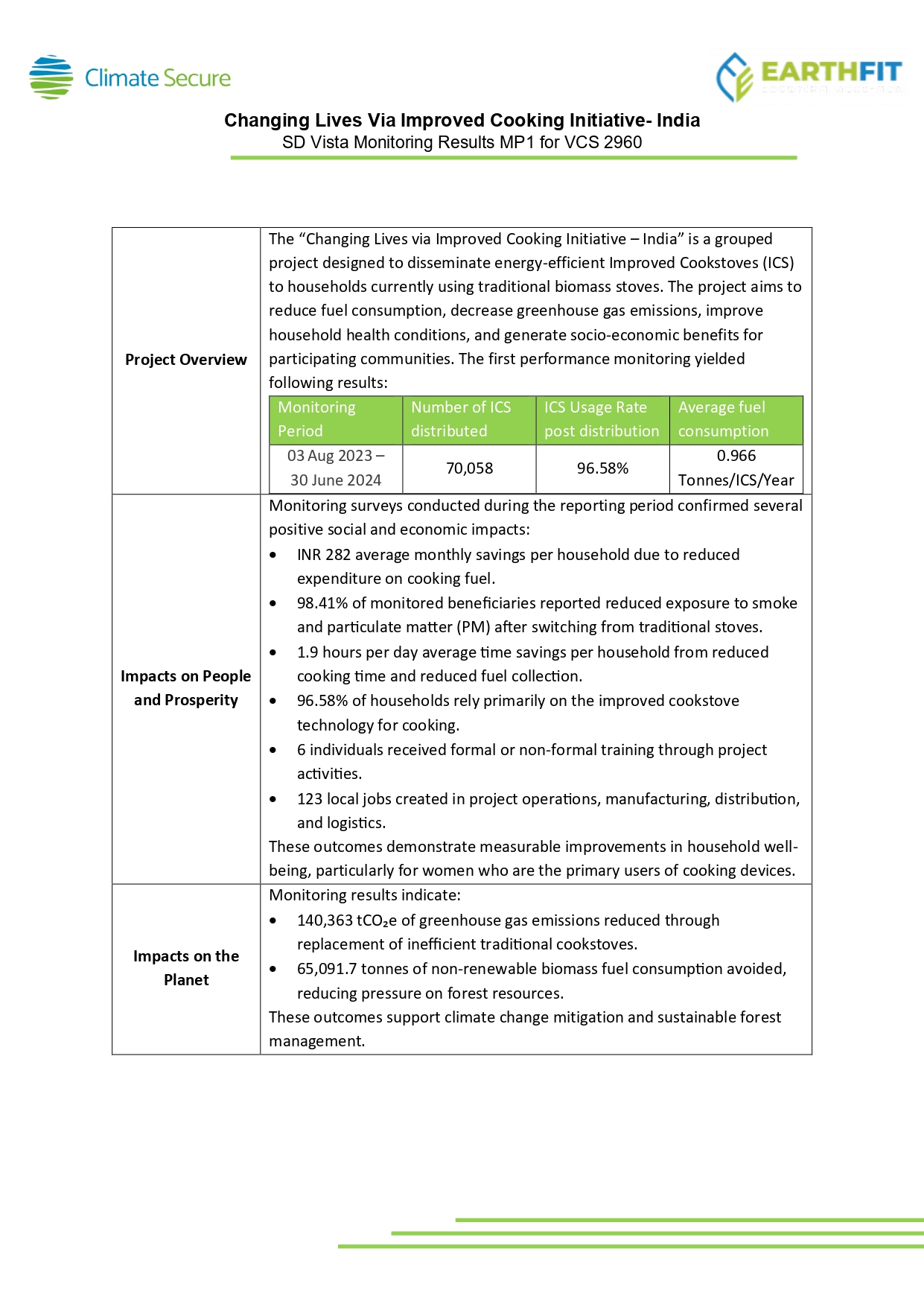
Clean cookstoves represent a significant innovation in sustainable household energy. Traditional cooking methods often rely on biomass fuels like wood or charcoal, which produce harmful pollutants and significantly contribute to indoor and outdoor air pollution. These emissions imperil health, especially in communities where clean indoor air is scarce, and exacerbate deforestation and climate change due to the unsustainable collection of biomass.
Clean cookstoves are designed to burn fuel more efficiently and with less smoke. They often utilize advanced combustion technology, portable fuel options, and improved insulation to maximize fuel efficiency and reduce emissions. Implementing clean cookstoves in communities around the world has demonstrated measurable health benefits, including a decrease in respiratory illnesses. Moreover, they help preserve natural resources by reducing the need for firewood collection and lowering greenhouse gas emissions.
For companies aiming to support social and environmental goals, investing in clean cookstove projects aligns with their CSR initiatives. These initiatives often target underserved communities, improving living conditions while simultaneously reducing the carbon footprint associated with traditional cooking. Companies can support these projects through direct funding, partnerships, or integrating them into broader sustainability strategies.
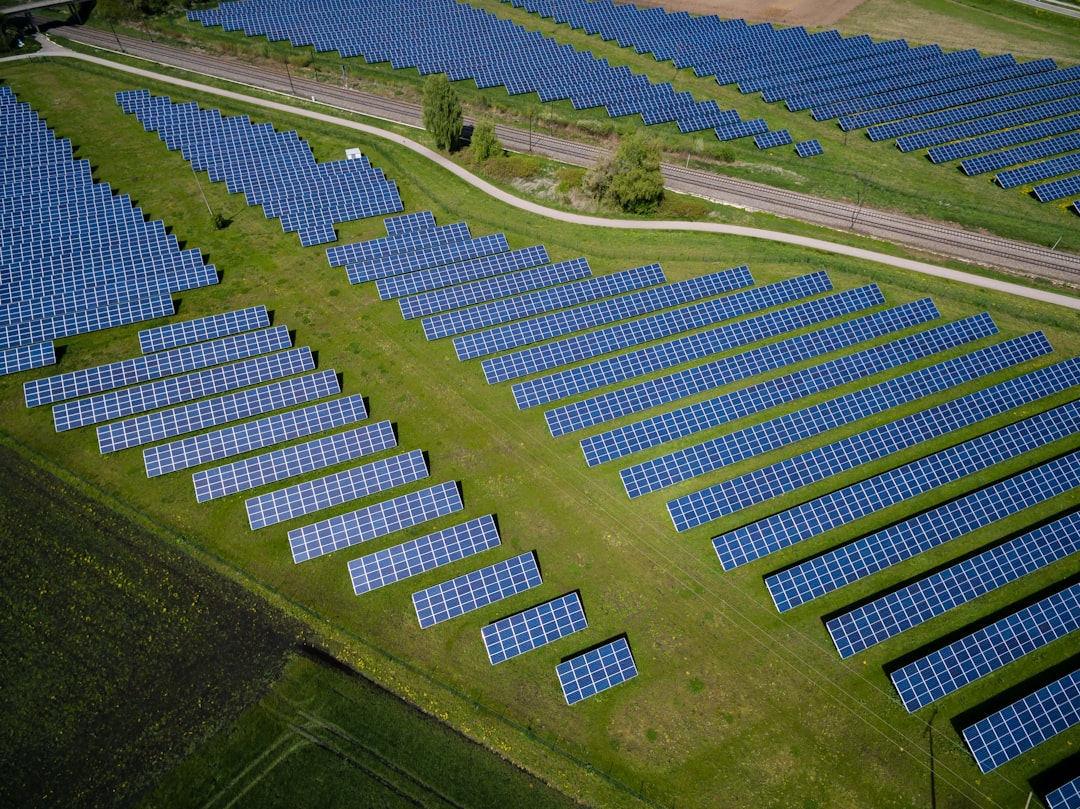
Clean energy solutions encompass a broad range of technologies, including solar, wind, hydroelectric, and geothermal power. Transitioning to these renewable sources forms the backbone of advancing global sustainability. Companies adopting clean energy solutions not only reduce operational greenhouse gases but also demonstrate a commitment to responsible environmental stewardship.
Implementing renewable energy within a corporate setting often begins with investing in solar panels or wind turbines on-site. This shift can drastically reduce dependence on fossil fuels, cut energy costs, and showcase leadership in sustainable practice. For organizations with larger energy demands, participating in off-site renewable energy projects or purchasing renewable energy credits can be effective strategies.
Furthermore, clean energy solutions contribute significantly to a company's ESG solutions framework. Environmental, Social, and Governance metrics increasingly influence investor decisions, and demonstrating a clean energy transition enhances corporate reputation and trust. It also encourages innovation and can unlock new market opportunities aligned with sustainability trends.
The voluntary carbon market offers companies an effective avenue to offset unavoidable emissions and meet sustainability commitments. This market allows organizations to purchase carbon credits representing reductions of greenhouse gases elsewhere, supporting projects such as reforestation, renewable energy, or methane capture.
Participation in the voluntary carbon market demonstrates a company's dedication to climate action beyond regulatory requirements. It can also support the development of local communities and foster environmental projects with social benefits. By investing in verified projects, companies contribute to global efforts to limit global warming and achieve net-zero targets.
Effectively navigating the voluntary carbon market requires due diligence, ensuring that carbon credits come from reputable sources with transparent verification standards. Many organizations integrate these offsets into their broader ESG solutions to reinforce their sustainability commitments. This proactive approach can improve stakeholder confidence and meet increasing consumer demand for environmentally responsible business practices.
Building sustainability partnerships enhances a company's capacity to deliver impactful environmental initiatives. Collaborations with NGOs, government agencies, and local communities can extend reach and effectiveness. These partnerships often streamline efforts to implement clean cookstoves, expand clean energy access, and develop credible carbon offset projects.
Incorporating ESG solutions into core business strategies aligns operational goals with broader societal values. Transparent reporting, measurable impact assessments, and stakeholder engagement are key elements in this process. Companies that develop strong ESG solutions not only mitigate risks but also attract socially conscious investors and consumers.
Advanced CSR initiatives are now integral to sustainable development. They include community outreach programs, environmental education, and participatory projects that empower local populations. By embedding these initiatives into corporate culture, organizations foster long-term relationships and positive societal change.
Earthfit Solutions stands at the forefront of promoting sustainable development through innovative energy and environmental projects. Their expertise spans the implementation of clean cookstoves, deployment of clean energy solutions, and facilitating participation in the voluntary carbon market. The company’s comprehensive approach ensures projects are environmentally impactful, socially beneficial, and economically viable.
Through strategic partnerships and a commitment to transparency, Earthfit Solutions helps organizations develop robust ESG solutions and CSR initiatives. Their tailored programs enable companies to meet sustainability goals while fulfilling their responsibility to the environment and local communities. By leveraging their extensive experience, Earthfit Solutions accelerates the transition toward sustainability partnerships that generate measurable results.
Creating a sustainable future requires ongoing commitment and innovative solutions. Incorporating clean cookstoves and clean energy solutions into business practices significantly reduces environmental impact and improves social outcomes. Participating in the voluntary carbon market further accelerates climate action while underpinning ESG solutions. Strategic partnerships and effective CSR initiatives amplify these efforts, leading to meaningful change.
Earthfit Solutions supports organizations at every step of this journey. By providing expertise and resources to implement impactful projects, Earthfit Solutions helps companies integrate sustainability partnerships and meet their climate and social responsibility targets. Embracing these strategies not only enhances corporate reputation but also contributes to global efforts to build a healthier, more sustainable planet.


Explore how clean energy solutions, like clean cookstoves, pave the way for a sustainable future driven by policy changes.
Explore how sustainability partnerships shape clean energy policies globally, fostering innovation and environmental stewardship.
Copyright © 2025 EARTHFIT. All Rights Reserved. Designed and developed by Five Online