The shift toward sustainable development has become a global priority for governments and businesses alike. Central to this movement is the adoption of clean energy solutions that aim to reduce carbon emissions and promote environmental stewardship. Countries worldwide have implemented various policies to advance clean cookstoves, expand renewable energy, and support sustainability initiatives. Understanding these policies and their impacts is essential for businesses seeking to align with global standards and investors interested in sustainability commitments. This article explores the comparison of clean energy policies across major markets, focusing on how they promote clean energy solutions, ESG solutions, CSR initiatives, and participation in the voluntary carbon market.
Different regions have adopted diverse strategies to foster clean energy adoption. In North America, policies often emphasize voluntary market mechanisms and corporate responsibility. Governments support voluntary carbon markets by enabling companies to purchase carbon offsets, encouraging participation in sustainability initiatives. Clean cookstoves programs are encouraged in developing regions, often supported by international development agencies seeking to reduce health and environmental hazards associated with traditional cooking methods.
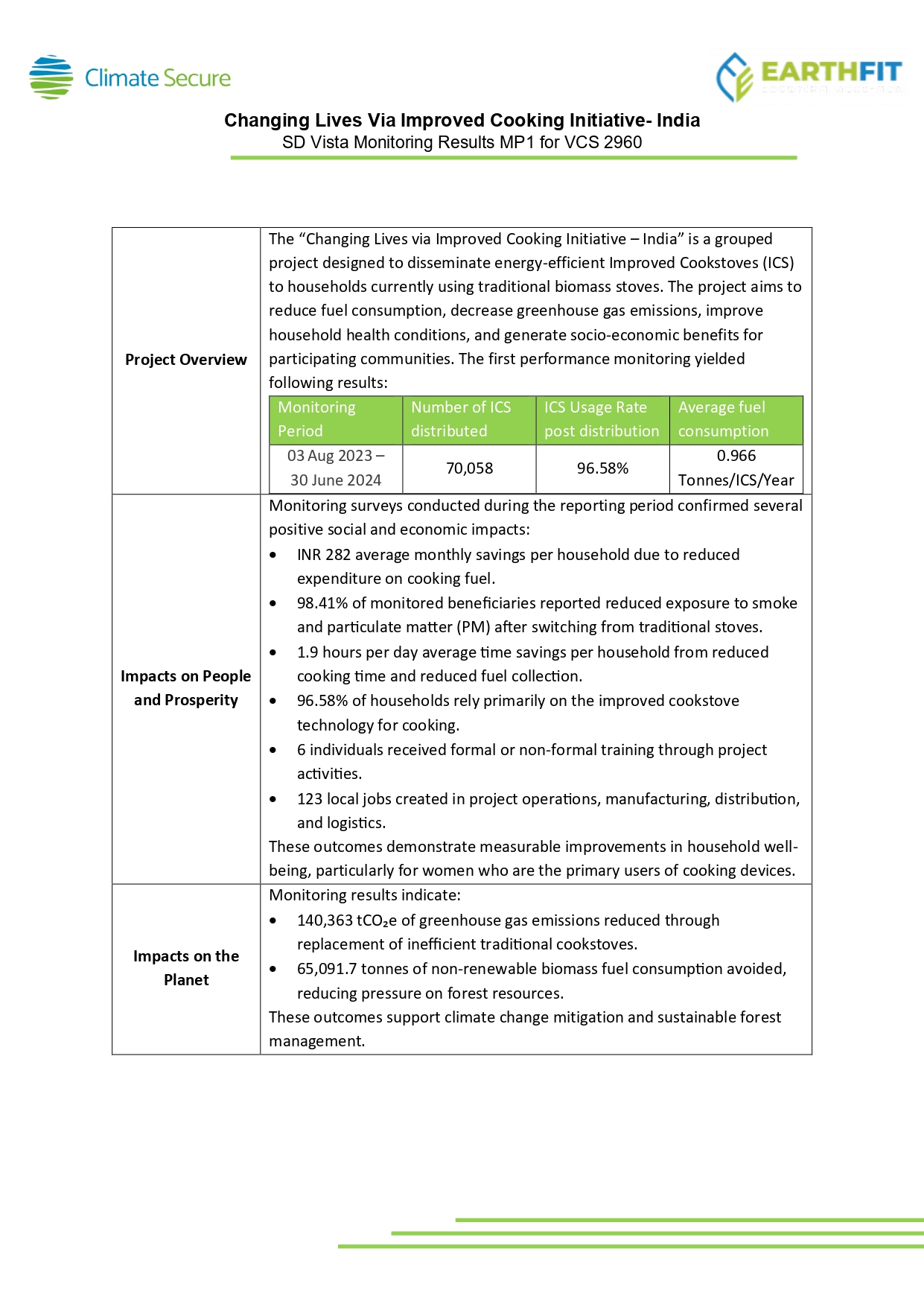
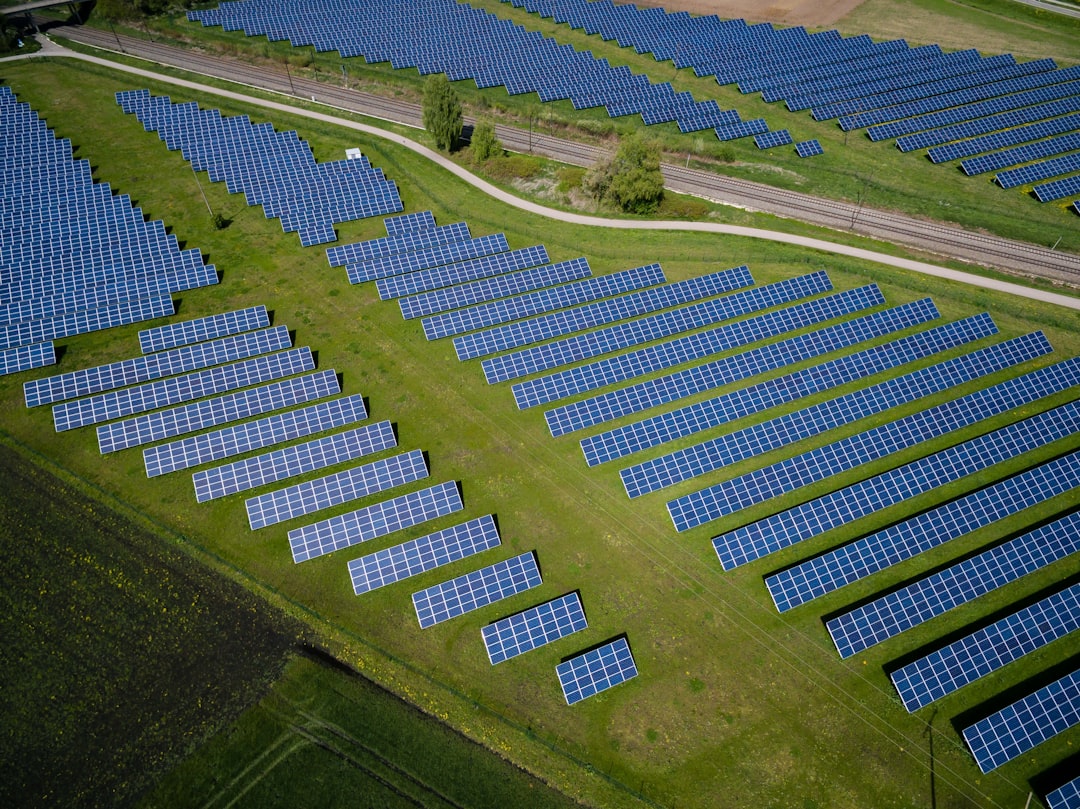
European markets tend to have more stringent policies, integrating sustainability partnerships into national frameworks. They actively promote renewable energy expansion through subsidies, feed-in tariffs, and renewable portfolio standards. These policies also emphasize ESG solutions as part of corporate reporting standards and CSR initiatives. Countries like Germany and Spain exemplify strong leadership in fostering innovative clean energy projects and encouraging private sector investments.
Asia represents a diverse landscape of policies. China and India have made significant commitments toward renewable energy capacity, often driven by national strategies aimed at energy security and economic growth. These countries also focus on integrating clean cookstoves into rural development programs and expanding the voluntary carbon market through national and international partnerships. The emphasis on sustainability partnerships helps drive large-scale projects that benefit communities and the environment.
When evaluating the different policy frameworks, several features stand out. North American policies often focus on voluntary participation, with a significant emphasis on corporate social responsibility and ESG solutions. Incentive programs, tax credits, and voluntary carbon markets facilitate corporate engagement with sustainable practices.
European policies typically incorporate regulatory mandates alongside financial incentives. These policies incentivize clean energy solutions through subsidies for wind, solar, and other renewables. They also embed sustainability partnerships into broader economic strategies. As a result, companies are encouraged to develop comprehensive CSR initiatives aligned with national and EU-wide sustainability goals.
In Asian markets, policy tools combine regulatory mandates and economic incentives. Renewable energy targets are enforced through national plans, while support for clean cookstoves and sustainability partnerships enhances rural livelihoods. Participation in the voluntary carbon market is often promoted via international collaborations and capacity-building initiatives, enabling market growth and fostering global carbon offset projects.
Each policy approach has distinct advantages and challenges. North American policies' reliance on voluntary markets offers flexibility and encourages corporate innovation but may lack the mandatory enforcement needed for rapid large-scale change. The focus on CSR initiatives can strengthen corporate reputations but may result in uneven progress.
European policies provide clear regulatory frameworks that ensure steady progress toward renewable energy targets. Financial incentives stimulate private investments, but policy complexity can pose barriers to smaller firms or new entrants.
Asian markets have achieved impressive renewable capacity growth through a combination of government mandates and economic incentives. These policies support rural development and energy access, yet managing rapid expansion and ensuring environmental integrity remain ongoing challenges.
The voluntary carbon market serves as a flexible platform for offsetting emissions and financing clean energy projects. However, ensuring transparency, accountability, and standardization in these markets is crucial for their long-term credibility and effectiveness.
Across major markets, a mix of regulatory measures, financial incentives, and market-based solutions drives the development of clean energy policies. Countries that integrate sustainability partnerships and CSR initiatives into national frameworks tend to foster more holistic approaches to environmental and social impacts.
Supporting these efforts, Earthfit Solutions specializes in providing comprehensive ESG solutions, facilitating sustainability partnerships, and developing voluntary carbon market projects. Their strategic approach helps corporations and governments align policies with sustainability goals, maximizing environmental benefits and social value. Earthfit Solutions ensures that each initiative not only complies with regulations but also promotes innovative clean energy solutions like clean cookstoves and renewable projects.
In conclusion, the most effective clean energy policies are those that balance regulation with market-based incentives and foster collaboration across sectors. Learning from the diverse approaches seen in various regions can accelerate progress toward a more sustainable future. Earthfit Solutions is committed to supporting this journey by providing tailored solutions that bridge policy, market, and community initiatives, helping clients achieve measurable sustainability outcomes.

Discover impactful CSR initiatives for clean energy and sustainability in 2026. Explore innovative strategies that make a difference!

Explore how clean energy solutions, like clean cookstoves, pave the way for a sustainable future driven by policy changes.
Copyright © 2025 EARTHFIT. All Rights Reserved. Designed and developed by Five Online