Achieving net-zero emissions has become a central objective for governments, businesses, and communities worldwide. This ambitious goal aims to balance the amount of greenhouse gases emitted with an equivalent amount removed from the atmosphere. As the urgency to combat climate change intensifies, recent innovations in technology, policy, and financial strategies are playing a critical role in accelerating progress toward net-zero emissions. Understanding these advancements is essential for stakeholders committed to fostering a sustainable future.
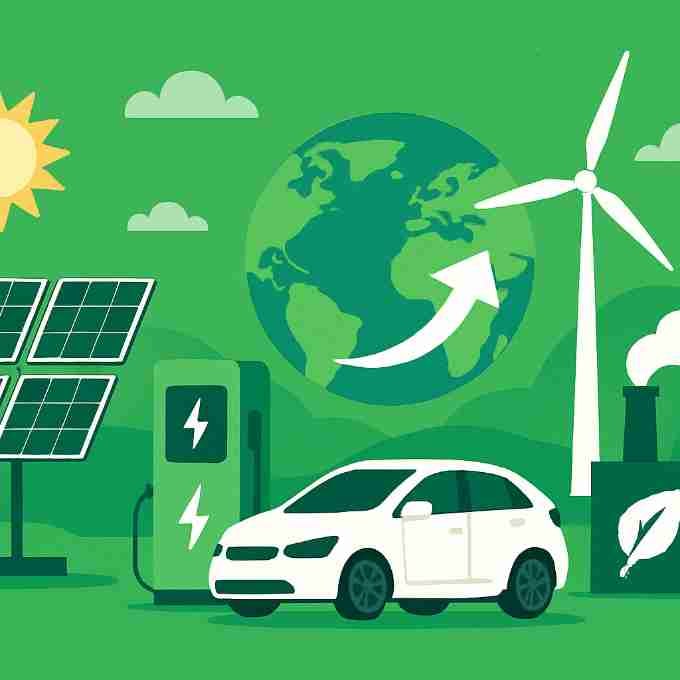
One of the most significant drivers of progress toward net-zero emissions is the rapid development of renewable energy sources. Innovations in solar and wind technology have led to increased efficiency and lower costs, making these options more accessible than ever before. For example, innovations in photovoltaic cell design now allow for greater energy conversion rates, expanding potential deployment. Wind turbine technology, including larger blades and better materials, has also contributed to higher energy yields.
These technological improvements enable more extensive integration of renewable energy into existing power grids. As a result, reliance on fossil fuels diminishes, directly reducing greenhouse gas emissions. Furthermore, battery storage innovations have improved the ability to store excess renewable energy, addressing intermittency issues. These advancements facilitate a transition to cleaner energy systems, which is crucial for nations aiming to meet net-zero targets.
While reducing emissions is vital, capturing and storing carbon dioxide already released into the atmosphere is equally important. Recent innovations in carbon capture and storage (CCS) technologies have made this process more feasible and cost-effective. New materials and techniques allow for more efficient separation of CO2 from industrial emissions.
Moreover, integrated CCS systems are being designed to work in conjunction with industrial processes, power plants, and even direct air capture technologies. These developments expand the ability to reduce net emissions, especially in sectors where decarbonization remains challenging.
As these technologies become more mature, they offer a complementary pathway to achieve net-zero goals alongside emission reductions.
Digital innovations play a significant role in accelerating net-zero emissions by improving efficiency and enabling smarter decision-making. Advanced data analytics and artificial intelligence help optimize energy consumption in manufacturing, transportation, and urban development. These tools identify inefficiencies and recommend actionable improvements.
Smart grids, powered by real-time data, facilitate better management of renewable energy flow and demand response. Additionally, digital twin simulations provide insights into how infrastructure can be modified to reduce emissions. The increased use of sensors and IoT devices enhances monitoring and reporting capabilities, ensuring transparency and accountability in sustainability efforts.
Innovations in sustainable materials contribute to lower lifecycle emissions of products and infrastructure. The development of biodegradable, recycled, and low-carbon materials reduces reliance on traditional manufacturing processes that are high emitters.
Implementing circular economy principles, such as designing for recyclability and extending product lifespans, also helps minimize waste and emissions. These practices are gaining traction across industries, from construction to consumer goods, aligning operational practices with net-zero ambitions and fostering sustainability in supply chains.
Effective policy frameworks and innovative financial instruments are pivotal in propelling the net-zero journey. Governments are increasingly adopting commitments to carbon neutrality and setting targets for increased renewable energy adoption.
Financial innovations, such as green bonds and climate funds, provide capital for clean energy projects and emission reduction initiatives. These instruments attract private investment by offering risk mitigation and favorable returns. Such frameworks create an enabling environment for scalable net-zero solutions and further accelerate progress toward defined climate goals.
- Technological innovations in renewable energy are reducing costs and increasing efficiency, making large-scale adoption more viable.
- Advances in carbon capture and storage technologies fill critical gaps, especially for hard-to-abate sectors.
- Data-driven solutions drive efficiency and transparency, essential for tracking progress and optimizing resource use.
- Sustainable materials and circular economy principles further reduce the lifecycle emissions of products and infrastructure.
- Policy and financial innovations create the necessary ecosystem for widespread implementation of net-zero strategies.
In conclusion, recent innovations across various domains are significantly fast-tracking the achievement of net-zero emissions. These advances demonstrate how technological breakthroughs, coupled with supportive policies and financial mechanisms, can reshape the path toward a sustainable future.
Earthfit Solutions supports these endeavors by providing strategic consultation, innovative solutions, and guidance tailored to a company's specific sustainability goals. Through these efforts, Earthfit Solutions empowers organizations to adopt cleaner technologies, optimize operations, and meet their net-zero commitments more effectively. As the world advances toward decarbonization, integrating these innovations will be crucial for reaching global climate targets and ensuring long-term resilience.

Discover impactful CSR initiatives for clean energy and sustainability in 2026. Explore innovative strategies that make a difference!

Explore how clean energy solutions, like clean cookstoves, pave the way for a sustainable future driven by policy changes.
Copyright © 2025 EARTHFIT. All Rights Reserved. Designed and developed by Five Online