In recent years, the urgency to combat climate change has driven significant advancements in carbon emission reduction strategies. As global temperatures continue to rise and environmental concerns intensify, governments, organizations, and communities are exploring innovative ways to lower greenhouse gas emissions. Among these efforts, biomass cookstoves and women empowerment initiatives have emerged as impactful solutions. This article delves into the latest developments in carbon emission reduction, analyzing key trends and future directions that promise to reshape the fight against climate change.
The world is witnessing a rapid transformation in how societies approach environmental sustainability. The primary goal remains to decrease the carbon footprint of industries, households, and transportation. Notably, carbon emission reduction has become a central focus for policy makers worldwide, leading to the adoption of new regulations and incentives aimed at reducing greenhouse gases.
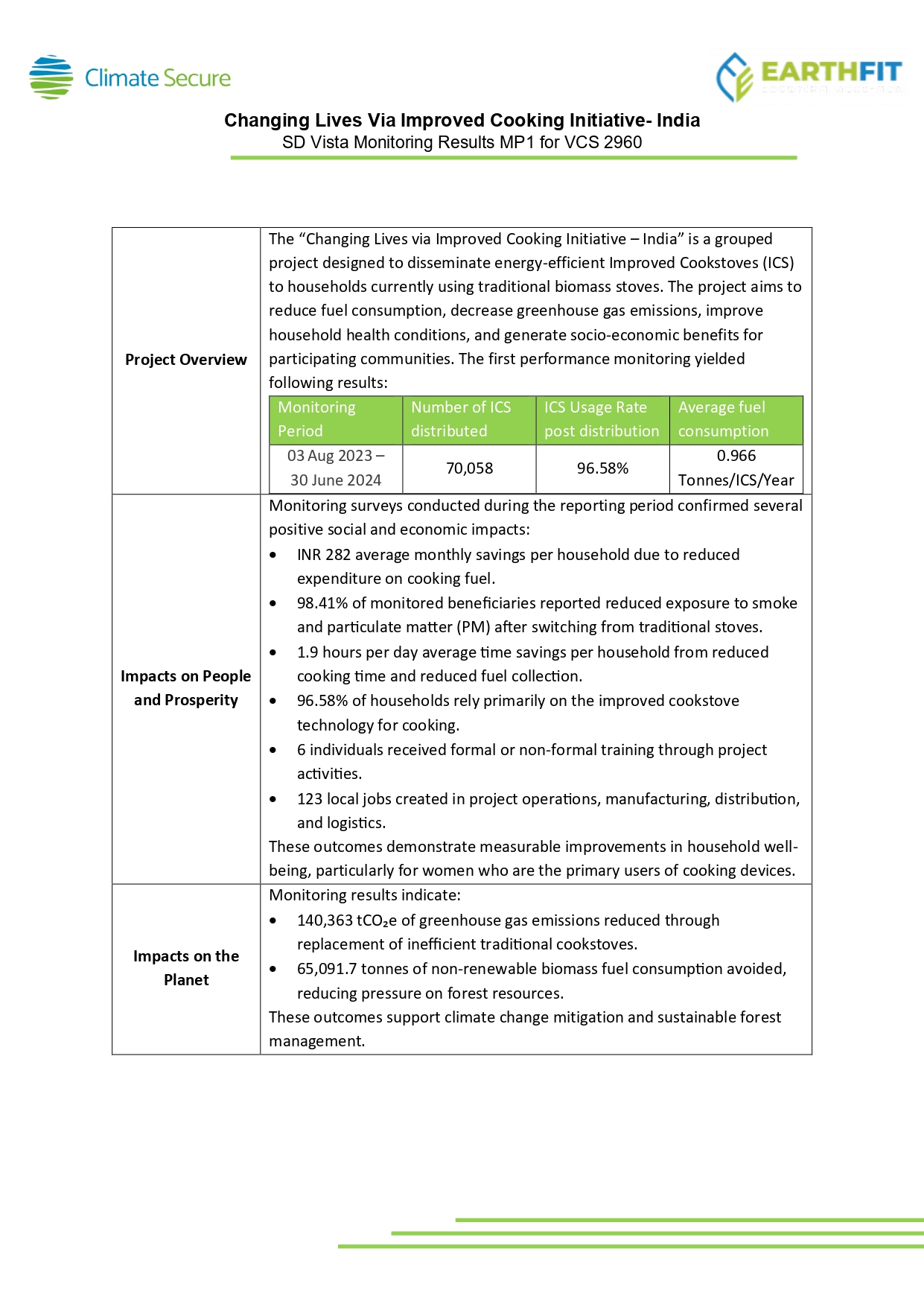
One prominent area for progress is the use of biomass cookstoves. Traditionally, many households, especially in developing regions, rely on open fires and rudimentary stoves that emit significant amounts of carbon dioxide and pollutants. Recent technological innovations have produced modern biomass cookstoves that are more efficient, cleaner, and sustainable. These stoves can significantly cut down emissions by improving combustion efficiency and reducing fuel consumption.
Simultaneously, women empowerment initiatives are gaining traction as a vital component of emission reduction. Women often play a central role in household energy management, particularly in rural communities. Empowering women through education, training, and leadership roles leads to better adoption of clean energy solutions like biomass cookstoves. It also creates a ripple effect, encouraging sustainable practices and reducing overall carbon emissions at community levels.
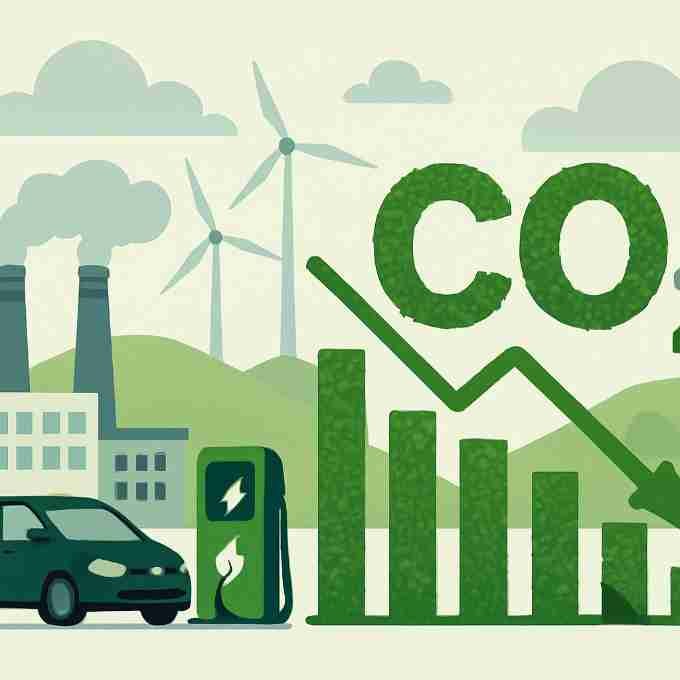
Furthermore, broader strategies such as renewable energy integration, electric vehicle adoption, and carbon capture technologies continue to evolve. Countries and companies are investing heavily in these areas, recognizing that multifaceted approaches are essential for meaningful climate action. International cooperation has also increased, with commitments to net-zero targets by 2050 playing a crucial role in accelerating progress.
One of the most notable advances in recent years is the refinement of biomass cookstoves. Modern designs now utilize improved combustion chambers and materials that minimize smoke and toxic emissions. These improved stoves not only reduce the carbon footprint of individual households but also improve health outcomes by decreasing indoor air pollution.
In tandem, efforts to promote women empowerment have seen both policy and grassroots initiatives. Programs that train women to manufacture, distribute, and maintain clean cookstoves have proven effective. Such initiatives not only facilitate the dissemination of sustainable cooking technologies but also foster economic independence, creating a sustainable cycle of community-led environmental improvements.
Another key development involves funding and investments. Governments and international organizations are channeling resources toward clean energy projects that focus on rural electrification and sustainable biomass utilization. These investments help scale up pilot projects and incentivize private sector participation in creating new solutions for carbon emission reduction.
Additionally, advances in digital technology are playing an increasingly vital role. Data collection and monitoring tools enable accurate measurement of emissions and track the effectiveness of various strategies. This data-driven approach allows for continuous improvement and targeted interventions, ensuring that efforts are both efficient and impactful.
The intersection of biomass cookstoves and women empowerment provides a powerful synergy in reducing carbon emissions. When women are actively involved in the development and dissemination of clean cooking solutions, adoption rates improve significantly. This is because women often influence household decisions and are directly affected by indoor air pollution and cooking-related health issues.
Moreover, implementing cleaner cookstoves at scale can lead to substantial carbon footprint reduction. Reducing the need for firewood and other biomass fuels lowers deforestation rates and associated carbon sequestration losses. These initiatives also contribute to improving air quality, which has broader health and environmental benefits.
However, challenges remain. The cost of advanced biomass cookstoves can be prohibitive for some households. Ensuring widespread adoption requires not only technological innovation but also policy support, subsidies, and community engagement. Education campaigns are essential to raise awareness about the benefits of clean cooking solutions and climate-friendly practices.
Furthermore, measuring the actual impact of these strategies requires precise monitoring. There is a pressing need for standardized metrics and reporting frameworks to compare progress across regions and initiatives. This transparency helps attract further investments and fosters accountability among stakeholders.
The future of carbon emission reduction strategies looks promising as technological and social innovations continue to unfold. The integration of renewable energy sources, such as solar and wind power, complements efforts to cut CO₂ emissions from household cooking to large-scale industries and transportation.
Incorporating biomass cookstoves into broader sustainable development goals can accelerate progress, particularly in developing nations where traditional cooking methods are prevalent. These stove innovations, combined with women empowerment initiatives, can simultaneously address climate, health, and gender equality targets.
Looking ahead, digital monitoring tools will become more sophisticated, enabling real-time tracking of emission reductions and facilitating customized interventions. Governments and organizations are expected to develop more inclusive policies that prioritize marginalized groups, ensuring that no community is left behind in the transition toward sustainability.
International cooperation and funding will play crucial roles in scaling up successful models.
As countries abide by commitments for net-zero emissions, these advancements will contribute significantly to global efforts to combat climate change. The synergy between technological innovation and social change, particularly through avenues such as women empowerment, enhances the likelihood of sustained and widespread adoption of emission reduction strategies.
Recent advances in carbon emission reduction strategies in 2026 demonstrate a dynamic and multifaceted approach to tackling climate change. The evolution of biomass cookstoves, coupled with women empowerment initiatives, exemplifies how social innovation can catalyze environmental sustainability. These strategies not only reduce individual carbon footprints but also promote health, economic growth, and gender equality.
As the world continues to confront the realities of climate change, the importance of innovative solutions and inclusive participation becomes ever clearer. The integration of technology, policy, and community action offers a powerful pathway toward a sustainable future. Countries and organizations must continue to support these efforts through investment, education, and collaboration.
Earthfit Solutions fully supports this paradigm shift by providing comprehensive solutions that facilitate carbon footprint reduction and community empowerment. Their initiatives help foster sustainable practices while enabling communities to thrive economically and environmentally. As we look toward 2026 and beyond, embracing these advances ensures that we move closer to a resilient and low-carbon future for all.


Discover impactful CSR initiatives for clean energy and sustainability in 2026. Explore innovative strategies that make a difference!

Explore how clean energy solutions, like clean cookstoves, pave the way for a sustainable future driven by policy changes.
Copyright © 2025 EARTHFIT. All Rights Reserved. Designed and developed by Five Online