The climate crisis is intensifying, with forest fires, melting glaciers, and rising temperatures becoming more frequent. In this urgent scenario, innovation is not optional—it’s essential. The real fight against climate change goes beyond big conferences and speeches. It happens in surprising places. You can find it in rural kitchens in India. It is also present at community meetings in off-grid villages. Additionally, it is seen in innovative startups that are changing our ideas about sustainability
While global headlines often spotlight electric vehicles and futuristic green cities, the most impactful green tech innovations are emerging far from Silicon Valley. In rural regions of the Global South, carbon neutrality startups are developing scalable, inclusive technologies that enhance climate resilience at the community level.
India, with over 65% of its population living in rural areas, faces both significant challenges and great opportunities. In these regions, sustainability isn’t just about advanced research and development; it’s about crafting solutions that are accessible, empower women, increase incomes, and restore the environment simultaneously. These grassroots efforts are laying the foundation for long-term climate solutions that also drive economic growth.
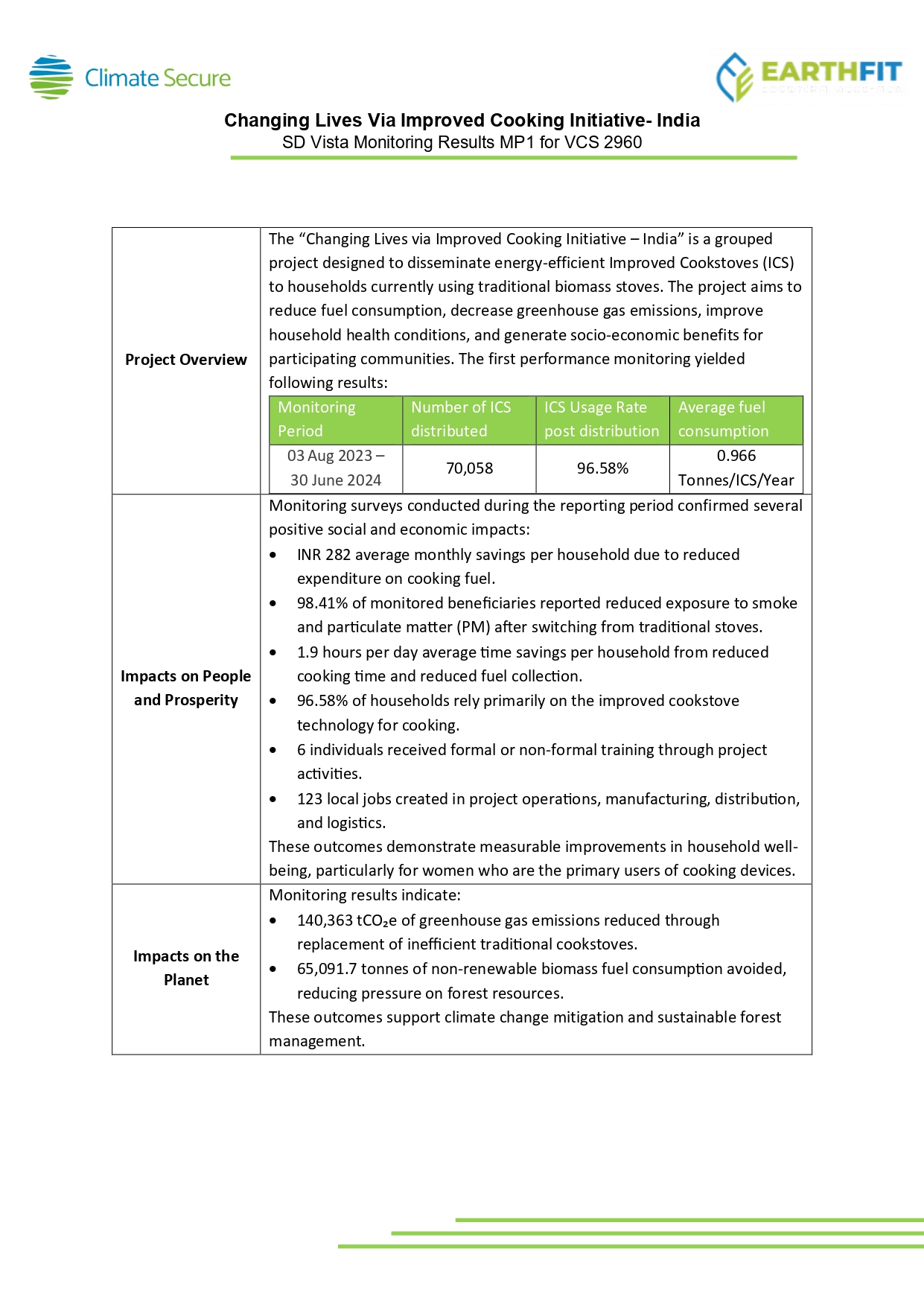
Enter Earthfit, a clean energy social enterprise leading rural energy solutions in India. Earthfit’s flagship innovation involves providing low-cost, high-efficiency clean cookstoves that significantly reduce smoke emissions, lower fuel consumption, and improve health outcomes for entire families But Earthfit’s model extends beyond product distribution.
What sets Earthfit apart is its utilization of carbon credit monetization to unlock value from every emission reduced. Through a digital Monitoring, Reporting & Verification (dMRV) platform, each clean cookstove installation is tracked in real-time. This results in transparent, verifiable carbon savings that are sold as verified Earthfit carbon credits on global markets—generating income that’s reinvested into expanding access for more rural households.
This approach isn’t charity; it’s inclusive green tech innovation that sustains itself.
Several Indian startups are making significant strides in the carbon credit sector: Hindustan Times
Net-zero isn’t just a global goal—it’s a local reality, built one clean cookstove at a time. Startups like Earthfit are blending innovation with impact, proving that climate tech can start in a village and ripple across the world.
This is where the climate revolution starts—not in tall buildings or big meetings, but in villages and local languages. It happens through data-driven choices that help communities grow. When sustainability is designed for inclusion, its ripple effects stretch far beyond the village—echoing into global carbon markets, international partnerships, and a future we can all breathe easier in.
The ripple effect of these solutions extends beyond local communities. As sustainable practices take root, they create new opportunities for collaboration, contribute to global carbon markets, and help build a cleaner, more inclusive future for all. This local impact plays a crucial role in driving global change.
Join Earthfit Solutions in pioneering a cleaner, greener future—together, we can drive impactful change for a sustainable tomorrow.

Discover impactful CSR initiatives for clean energy and sustainability in 2026. Explore innovative strategies that make a difference!
Explore how clean energy solutions, like clean cookstoves, pave the way for a sustainable future driven by policy changes.
Copyright © 2025 EARTHFIT. All Rights Reserved. Designed and developed by Five Online