A Path Toward a Greener Future
In recent years, the focus on sustainable development has intensified, highlighting the critical roles of clean cookstoves, clean energy solutions, and environmental, social, and governance (ESG) strategies. As communities and organizations seek impactful ways to reduce their carbon footprints, the integration of these elements has become essential for fostering a sustainable future. This comprehensive guide explores how clean cookstoves contribute to environmental health, how they fit into broader clean energy solutions, and how companies can leverage ESG solutions to promote corporate responsibility and sustainability partnerships.
Traditional cooking methods, often reliant on wood, charcoal, or dung, pose severe health risks and environmental challenges. Smoke from unvented stoves contributes to indoor air pollution, which causes millions of premature deaths annually. In addition, these practices lead to deforestation, loss of biodiversity, and increased greenhouse gas emissions.
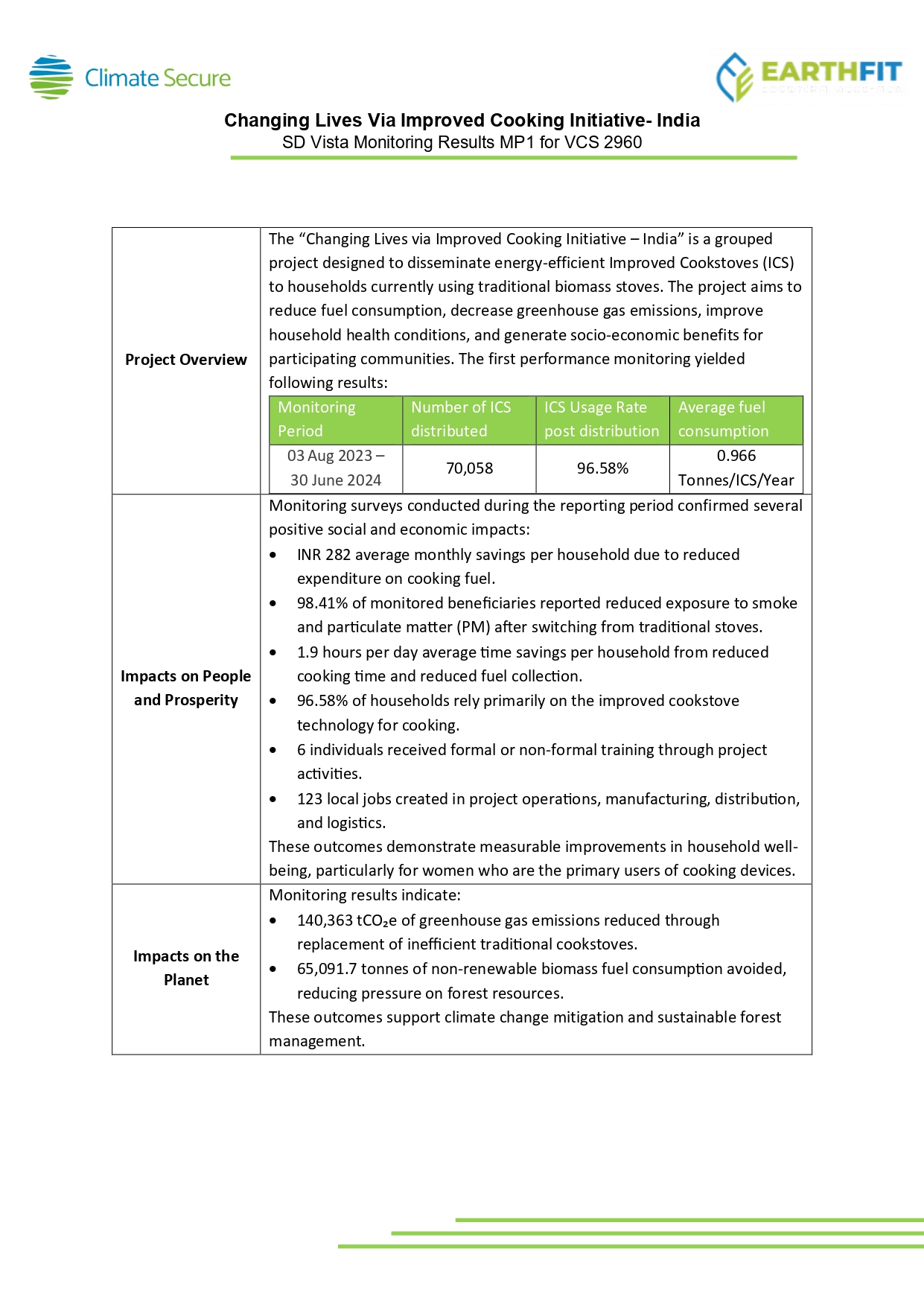
Recognizing these issues, the promotion of clean cookstoves has become a vital component of sustainable development initiatives worldwide. Clean cookstoves significantly reduce indoor air pollution, improve health outcomes, and decrease reliance on biomass fuel. They also help mitigate climate change by lowering carbon emissions, making them a necessary part of any comprehensive clean energy solutions strategy.
Implementing clean cookstoves is part of a larger push for clean energy solutions that address energy access inequities and environmental concerns. These innovative devices are designed to be energy-efficient, reducing fuel consumption and emissions. They often utilize renewable resources or improved combustion technologies, aligning with global goals for sustainable energy.
Adopting clean energy solutions is crucial for regions lacking reliable electricity grids. Off-grid solar power systems, for instance, provide communities with access to electricity that supports lighting, refrigeration, and small appliances. When combined with clean cookstoves, these solutions create an integrated approach to empowering underserved populations while reducing environmental impact.
Many companies are recognizing the importance of integrating sustainability into their core strategies through ESG solutions and CSR initiatives. ESG solutions encompass a broad set of practices that promote environmentally friendly operations, social responsibility, and transparent governance. Supporting projects like clean cookstoves aligns with these goals by actively reducing the carbon footprint and improving community well-being.
CSR initiatives focused on sustainable development foster goodwill and strengthen brand reputation. Companies partnering with local organizations to distribute clean cookstoves generate positive social impacts. These efforts often include training and education programs to maximize health and environmental benefits. By deploying such initiatives, organizations demonstrate their commitment to a greener, healthier planet while contributing to global sustainability goals.
Building sustainability partnerships is vital for scaling the adoption of clean energy solutions, including clean cookstoves. Partnerships between governments, non-profits, private sector companies, and communities create a synergistic effect, amplifying the reach and impact of these initiatives.
Collaborative projects focus on capacity building, technological innovation, and market development to ensure long-term sustainability. For example, combining resources and expertise can lower costs, improve product designs, and enhance distribution networks. These collaborations also facilitate knowledge sharing, allowing different stakeholders to learn from successful models and adapt strategies accordingly.
The voluntary carbon market plays a pivotal role in supporting clean energy projects, including clean cookstoves programs. Through this market, companies and individuals can purchase carbon credits that offset their emissions by financing projects that reduce greenhouse gases elsewhere.
Investing in voluntary carbon offset projects motivates the expansion of clean cookstoves manufacturing and distribution. It provides an additional revenue stream for organizations working in this space and accelerates the global transition toward sustainable energy solutions. Participation in these markets also demonstrates commitment to environmental responsibility, aligning with corporate sustainability strategies and enhancing reputation.
Earthfit Solutions is committed to advancing sustainable energy through clean cookstoves and clean energy solutions that improve health, reduce carbon emissions, and support sustainable development.
The company also provides ESG solutions, supports CSR initiatives, fosters sustainability partnerships, and engages in voluntary carbon market projects to help organizations achieve their sustainability goals while creating positive environmental and social impact.
Through innovation and collaboration, Earthfit Solutions is helping build a cleaner, healthier, and more sustainable future for communities and businesses alike.


Discover impactful CSR initiatives for clean energy and sustainability in 2026. Explore innovative strategies that make a difference!

Explore how clean energy solutions, like clean cookstoves, pave the way for a sustainable future driven by policy changes.
Copyright © 2025 EARTHFIT. All Rights Reserved. Designed and developed by Five Online