In an era marked by urgent environmental challenges and a global commitment to sustainability, the pursuit of clean energy solutions has become more crucial than ever. As countries and companies strive to reduce their carbon footprint, the development and adoption of innovative energy technologies offer promising pathways to a greener future. This comprehensive guide explores the significance of clean energy solutions, the role of carbon credit projects, and the exciting advancements in clean energy innovations. We will also examine how organizations like Earthfit Solutions are leading the way in transforming these concepts into tangible, impactful actions. Whether you are an industry stakeholder, an environmentally conscious consumer, or simply interested in the future of energy, understanding these elements is key to supporting sustainable development and combating climate change.
Clean energy solutions encompass a broad range of technologies and practices aimed at producing energy in ways that do not deplete natural resources or emit harmful greenhouse gases. Key methods include solar and wind power, hydroelectricity, geothermal energy, and emerging battery storage technologies. These solutions are vital because they help reduce reliance on fossil fuels, which are major contributors to air pollution and climate change.
In addition to deploying renewable energy sources, a significant aspect of sustainable development involves carbon credit projects. These initiatives enable organizations and individuals to offset their emissions by investing in environmental activities that reduce or remove carbon dioxide from the atmosphere. Examples include reforestation efforts, renewable energy installations, and methane capture projects. Participating in these credits not only supports ecological balance but also promotes economic benefits and corporate responsibility.
In recent years, the landscape of clean energy has been transformed by numerous innovations. Advances in energy efficiency, smart grid technology, and storage systems are making renewable energy more accessible and reliable. These innovations not only facilitate the integration of renewable sources into existing grids but also contribute to cost reduction and operational flexibility, paving the way for widespread adoption.
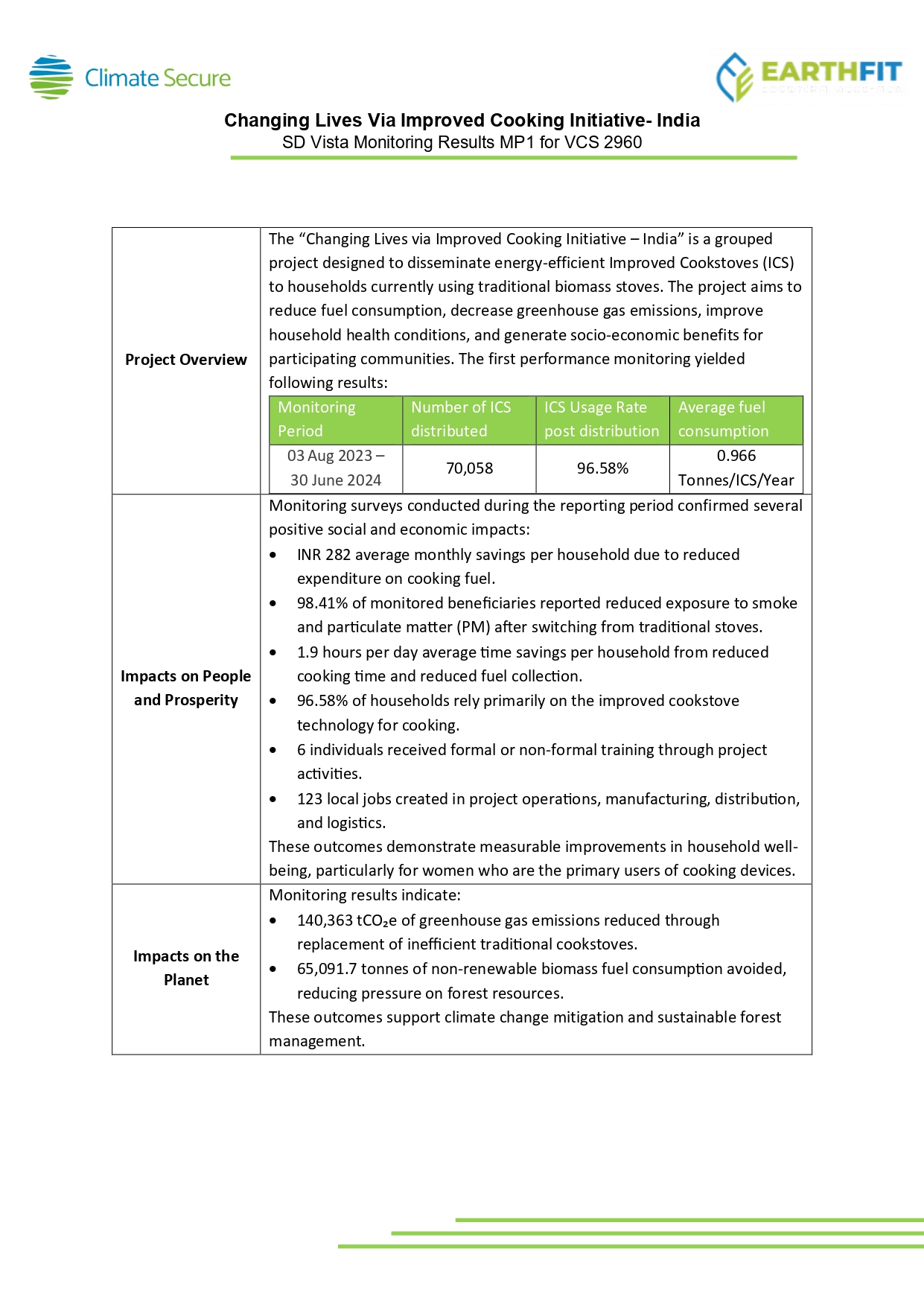
Discover how Earthfit cookstoves help create healthier homes while reducing medical expenses.
Developing effective clean energy solutions requires a strategic approach that combines technology, policy, and community engagement. Governments worldwide are implementing incentives and regulations to encourage renewable energy projects. Meanwhile, private sector investment in green technologies has surged, driven by the increasing economic viability of these solutions.
Strategically, organizations should focus on integrating clean energy innovations into their overall sustainability plans. This includes investing in advanced solar panels, wind turbines, and energy storage systems that maximize efficiency and output. Moreover, embracing smart grid technology improves energy management and resilience, ensuring a steady supply even during fluctuations in renewable energy generation.
Carbon credit projects play an essential role in this strategic framework. They offer a mechanism for organizations to offset emissions that are difficult to eliminate quickly. By participating in verified carbon credit initiatives, companies can demonstrate their environmental responsibility, enhance brand reputation, and contribute to global climate goals.
Effective implementation also involves fostering partnerships between governments, technology providers, and communities. These collaborations can accelerate the deployment of innovative clean energy solutions and ensure equitable access across different regions and socioeconomic groups.
The practical application of clean energy solutions spans numerous industries and sectors. In the industrial realm, manufacturing plants are adopting solar and wind installations to power their operations. Such measures reduce operational costs and align with corporate sustainability goals.
In the transportation sector, electric vehicles and related infrastructure are emerging as alternatives to traditional fossil fuel-based options. As battery storage technologies improve, electric fleets become more feasible for logistics companies and public transportation systems, further decreasing emissions.
Urban development projects increasingly incorporate renewable energy technologies for residential and commercial buildings. These developments often feature integrated solar power and smart energy management systems that optimize consumption and reduce utility costs.
Additionally, non-profit organizations and community groups participate in carbon credit projects such as reforestation and wetland restoration. These initiatives enhance local ecosystems and provide tangible carbon sequestration benefits while engaging communities in environmental stewardship.
Looking ahead, the future of clean energy solutions and innovations is promising yet complex. Continuous technological advancements are expected to drive down costs and improve performance, making renewable options even more competitive with traditional energy sources. Smart grid technology will likely become more widespread, facilitating real-time energy management and integrating distributed renewable resources seamlessly.
The evolution of carbon credit projects is anticipated to become more transparent and accessible, encouraging greater participation from businesses and individuals alike. As climate policies tighten and global climate targets become more ambitious, the demand for innovative and scalable solutions will increase.
Emerging innovations such as advanced energy storage systems, green hydrogen, and artificial intelligence-driven energy management are poised to revolutionize the energy landscape. These developments will support a decarbonized economy and help address the intermittent nature of renewable energy sources.
Policy frameworks and international cooperation will be crucial in shaping the future environment for clean energy. Governments will need to implement supportive regulations while fostering innovation through funding and research initiatives. Public awareness and education will also play a vital role in accelerating adoption.
In conclusion, the transition to clean energy solutions and innovations represents not just an environmental necessity but also an economic opportunity. The integration of renewable technologies, the expansion of carbon credit projects, and continuous advancements in clean energy innovations are collectively shaping a sustainable future. Organizations and communities committed to these principles are instrumental in driving meaningful change.
Earthfit Solutions supports this vision by providing expertise and resources geared toward implementing sustainable energy practices. Through strategic consulting and project development, Earthfit Solutions enables clients to harness the power of clean energy solutions so they can contribute to a healthier planet while achieving operational efficiencies. Embracing these advancements and strategies ensures a resilient and environmentally responsible future for all.

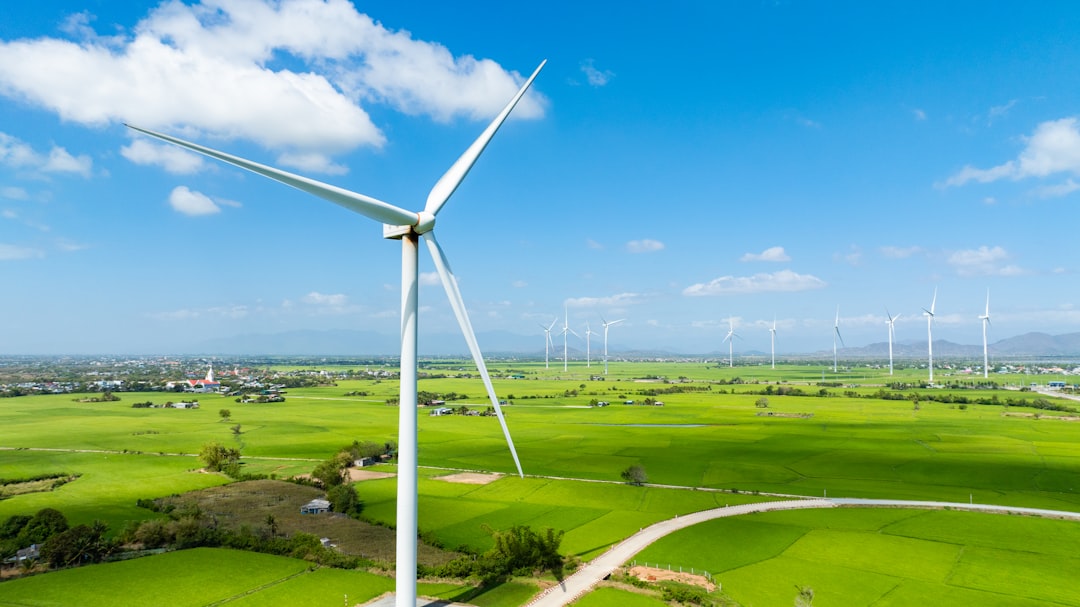
Discover impactful CSR initiatives for clean energy and sustainability in 2026. Explore innovative strategies that make a difference!
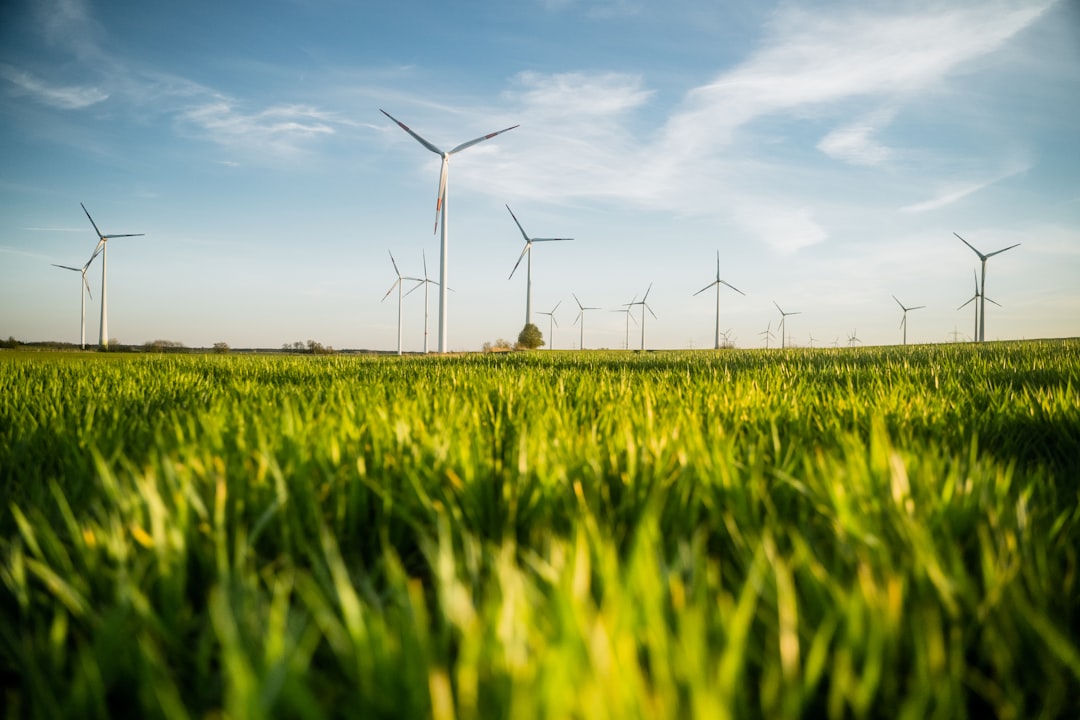
Explore how clean energy solutions, like clean cookstoves, pave the way for a sustainable future driven by policy changes.
Copyright © 2025 EARTHFIT. All Rights Reserved. Designed and developed by Five Online