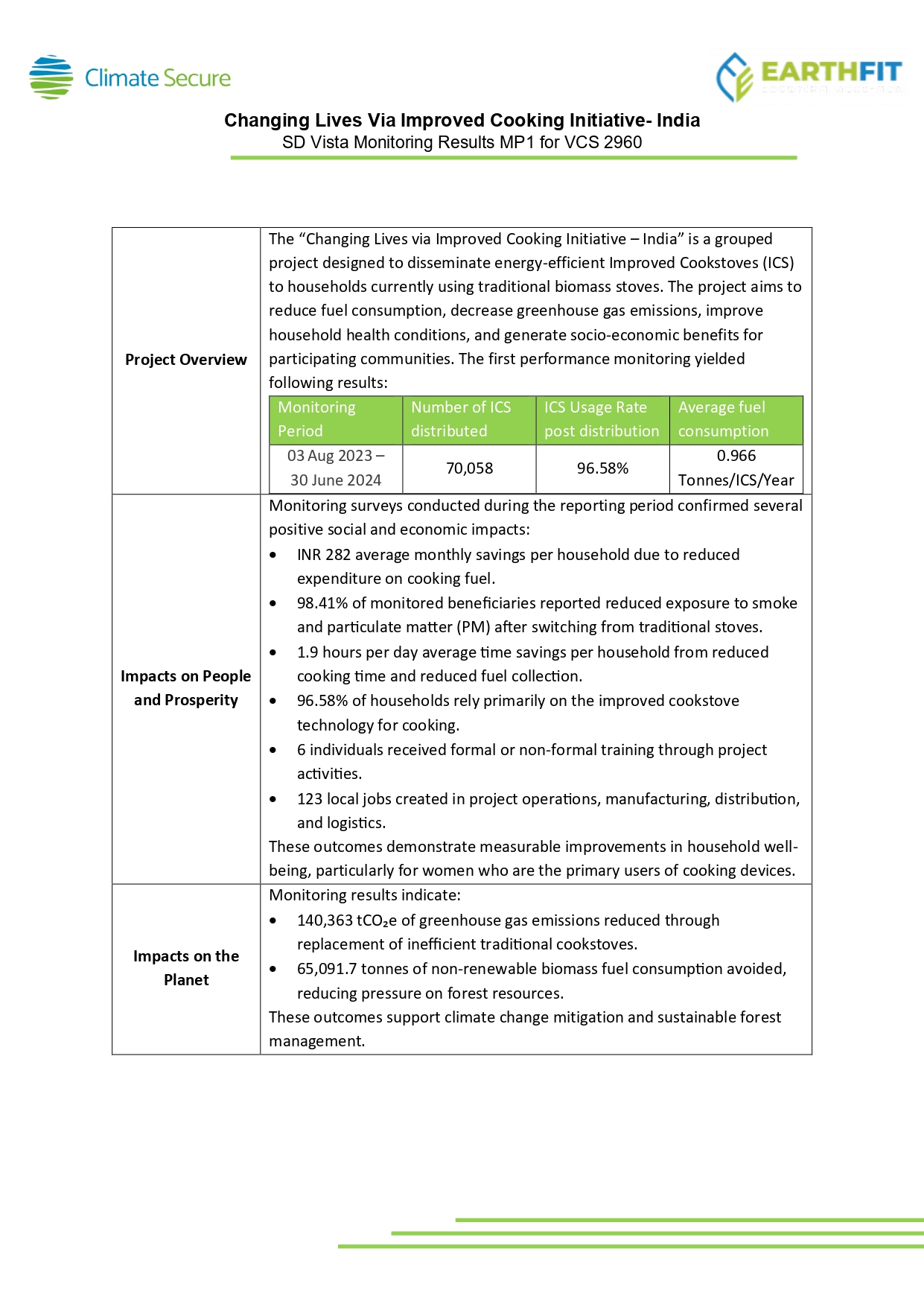
The year 2026 has marked a significant milestone in the global pursuit of sustainable energy. Governments, private sector players, and non-governmental organizations have announced groundbreaking funding initiatives aimed at accelerating the adoption of clean energy solutions worldwide. These investments are primarily directed toward the development and deployment of clean cookstoves, renewable power projects, and innovative technologies that reduce carbon emissions. As a result, the focus on clean energy solutions is stronger than ever, reflecting a growing recognition of their vital role in climate change mitigation and sustainable development.
Key developments include substantial financial commitments from international financial institutions, governments, and corporate partners. Many of these announcements have been geared towards expanding access to clean cookstoves, especially in developing regions where traditional biomass and kerosene stoves cause health and environmental issues. Additionally, new funds are being allocated toward scaling up renewable energy projects, fostering ESG solutions that align corporate sustainability goals with broader societal impact. These funding boosts signal a collective effort to address the energy gap through innovative, environmentally friendly technologies and infrastructure.
The surge in funding for clean energy in 2026 underscores a broader shift in the global landscape towards sustainability partnerships that bridge public and private interests. Such collaborations are crucial for mobilizing the voluminous capital required for large-scale implementation. With a focus on CSR initiatives, many corporations are integrating clean energy commitments into their core strategies, recognizing the importance of sustainability as a driver of competitive advantage.
One of the most notable trends is the increasing popularity of the voluntary carbon market as a mechanism for funding climate action. Companies and individuals are investing in carbon offset projects that often support the deployment of clean cookstoves and renewable energy infrastructure. These voluntary carbon credits incentivize further investments in low-carbon innovations and reinforce the integrity of sustainability initiatives. Moreover, these efforts contribute significantly to meeting international climate targets under agreements such as the Paris Accord.
Despite these promising developments, some challenges remain. Funding disparities persist between regions and project types, requiring more targeted efforts to ensure equitable access and impact. Technology transfer, capacity-building, and policy support are essential to maximize the effectiveness of financial investments. Additionally, the sustainability of these projects depends on ongoing monitoring, transparent reporting, and alignment with ESG solutions. The evolving landscape suggests that the success of these initiatives will hinge on robust collaboration and innovative financing models.
The increased funding in 2026 is poised to reshape the future of clean energy adoption globally. By channeling capital into clean cookstoves, renewable energy, and related infrastructure, these investments can significantly reduce hazardous emissions in vulnerable communities while improving health outcomes. They also pave the way for broader integration of renewable energy solutions into national grids, fostering energy independence and resilience.
One of the key implications is the amplified role of sustainability partnerships. These alliances foster shared technological advancements and resource pooling, enabling accelerated progress. As businesses and governments align their strategies around ESG solutions, they are creating a more conducive environment for innovative approaches such as grid decentralization, microgrids, and solar-powered appliances. These developments can facilitate a transition toward a decarbonized energy future, supporting global climate goals.
The future impact extends to enhancing participation in the voluntary carbon market. As more corporations commit to net-zero targets, the demand for credible offsets supporting open and transparent projects will increase. This dynamic not only helps in funding further clean energy initiatives but also encourages accountability and continuous improvement across sustainability initiatives. The ongoing evolution of these markets will inevitably influence how climate finance is structured and deployed.
The 2026 breakthrough funding announcements for clean energy demonstrate a decisive movement toward sustainable development and climate resilience. They exemplify how strategic investments in clean cookstoves, renewable power, and associated technologies can lead to substantial environmental, health, and social benefits. The emphasis on sustainability partnerships and ESG solutions highlights a global commitment to integrating conservation with economic growth.
Earthfit Solutions actively supports these advancements by providing expertise and innovative approaches to implementing sustainable projects. Their focus on fostering CSR initiatives and strengthening their role within the voluntary carbon market ensures that clients can maximize the impact of their sustainability efforts. Through these collaborations, Earthfit Solutions helps build resilient, clean energy systems that contribute to a healthier planet and more sustainable future for all.

Discover impactful CSR initiatives for clean energy and sustainability in 2026. Explore innovative strategies that make a difference!
Explore how clean energy solutions, like clean cookstoves, pave the way for a sustainable future driven by policy changes.
Copyright © 2025 EARTHFIT. All Rights Reserved. Designed and developed by Five Online