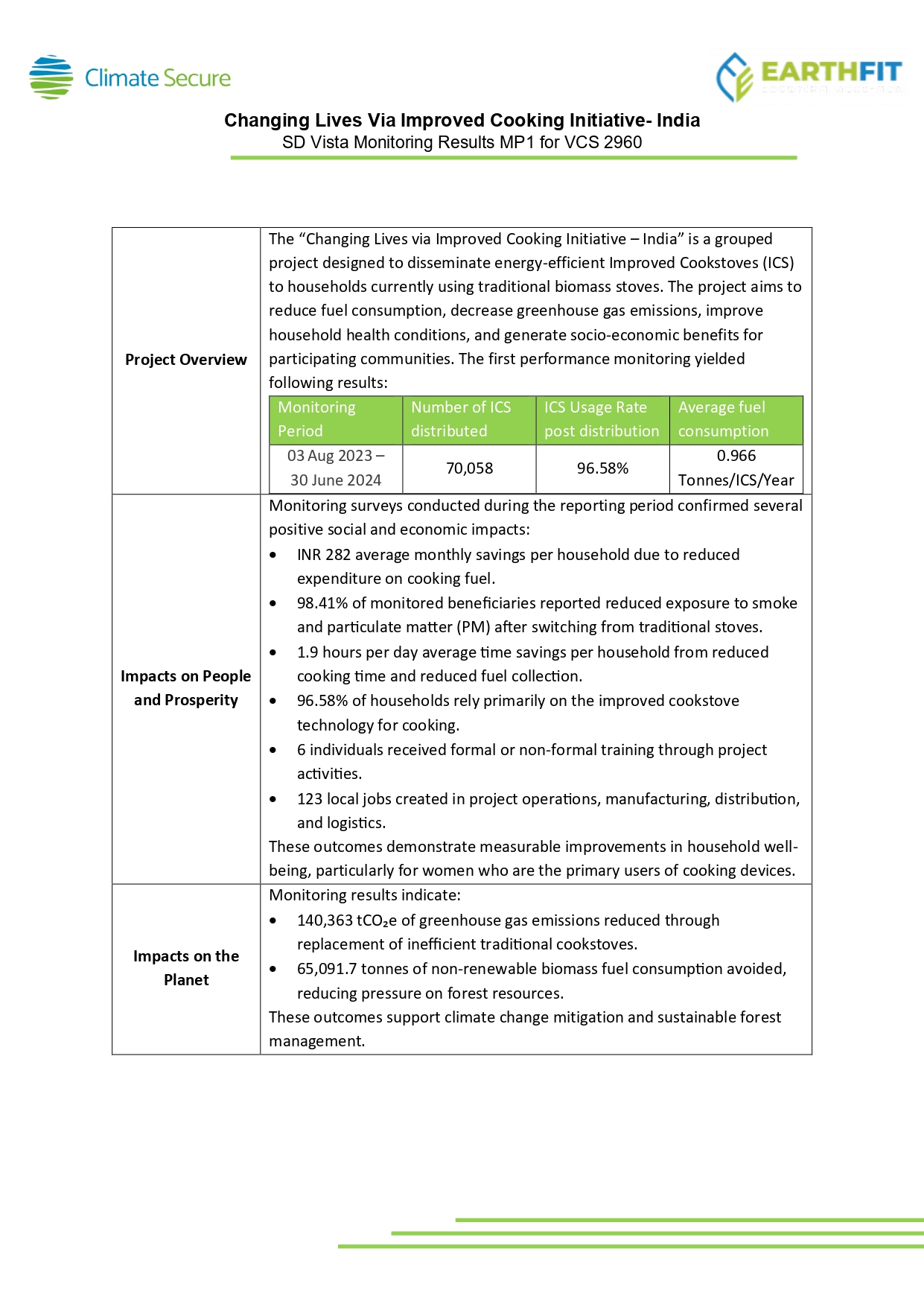
In recent years, the global push towards sustainable development has accelerated, with an increasing focus on clean energy solutions. Transitioning to renewable energy sources offers numerous benefits that extend beyond environmental preservation. This shift not only helps combat climate change but also provides economic, health, and social advantages. Understanding these benefits can motivate individuals, businesses, and governments to prioritize clean energy innovations and adopt more sustainable practices.
At the core of this transition are clean energy solutions—technologies that generate power with minimal environmental impact. These include solar panels, wind turbines, hydroelectric dams, and geothermal systems. The primary appeal of these solutions is their ability to produce electricity without emitting greenhouse gases. As a result, harnessing renewable energy plays a crucial role in reducing carbon footprints and combating climate change.
One of the most compelling reasons to embrace clean energy solutions is their environmental benefit. Unlike fossil fuels, renewable sources do not release pollutants that contribute to air pollution and global warming. Clean energy innovations continue to evolve, making these options more efficient and accessible. This ongoing development ensures that clean energy can meet growing demands while maintaining sustainability goals.
Switching to renewable energy not only benefits the environment but also stimulates economic growth. Investment in renewable infrastructure creates new jobs across manufacturing, installation, maintenance, and research sectors. For example, the expansion of solar and wind farms has led to employment opportunities in many regions.
Moreover, renewable energy can reduce energy costs over time. Although initial investments may be significant, operational costs tend to be lower than traditional fossil fuel-based systems. This reduction can lead to decreased energy bills for consumers and businesses alike. Additionally, renewable energy projects often attract funding through mechanisms like carbon credit projects, which reward reductions in carbon emissions and incentivize further clean energy development.
Transitioning to clean energy solutions has substantial health benefits. Reducing reliance on fossil fuels lowers emissions of harmful pollutants such as sulfur dioxide, nitrogen oxides, and particulate matter. These pollutants are linked to respiratory illnesses, cardiovascular diseases, and other health problems.
Communities that adopt clean energy innovations often experience better air and water quality. This improved environment results in enhanced quality of life and reduces healthcare costs. Additionally, localized renewable energy sources can increase energy resilience, particularly in remote areas, ensuring consistent power supply and supporting community development.

To effectively transition, strategic planning is essential. This involves assessing the energy needs of a region or organization and identifying suitable clean energy solutions. Governments can facilitate this shift through policies that encourage renewable energy deployment, such as subsidies, tax incentives, or regulations favoring sustainable practices.
Businesses can incorporate renewable energy into their operations by investing in solar panels or wind turbines, supported by carbon credit projects that offset emissions. Furthermore, companies like Earthfit Solutions provide consultancy and implementation services that streamline this process, helping clients achieve their sustainability goals efficiently.
Another crucial aspect is innovation. Clean energy innovations are continuously emerging, offering new ways to generate, store, and distribute renewable power. Investing in research and development ensures that existing technologies become more efficient and affordable, broadening their adoption.
Several practical applications demonstrate the benefits of adopting renewable energy. For instance, commercial buildings equipped with solar photovoltaic systems reduce dependence on grid power and lower operating costs. Policymakers may establish incentives for households to install solar panels, increasing electricity generation capacity locally.
In industrial settings, integrating wind energy can meet significant power demands sustainably. Some utility companies are investing in large-scale solar farms combined with energy storage systems, ensuring a steady supply even during low sunlight periods.
These implementations not only contribute to environmental goals but also enhance energy security and resilience. They demonstrate the tangible benefits of transitioning to renewable energy sources, such as reduced operational costs and increased community well-being.
The Future of Renewable Energy
The future of clean energy solutions is promising. Technological advancements continue to drive down costs and improve efficiency. Innovations like advanced energy storage, smart grids, and decentralized power systems will make renewable energy more versatile and reliable.
Policy frameworks are evolving to support widespread adoption, with many nations setting ambitious renewable energy targets. The expansion of global carbon credit markets incentivizes further investment in clean energy projects, creating a positive feedback loop for sustainable development.
Furthermore, as public awareness about climate change grows, demand for clean energy innovations will increase. This momentum encourages private sector investments and international collaborations, fostering a sustainable energy landscape capable of addressing future challenges.
Transitioning to renewable energy sources offers a multitude of benefits, including environmental preservation, economic growth, improved public health, and enhanced community resilience. Strategic planning and continuous innovation are essential to maximize these advantages. Organizations and governments can leverage existing frameworks and emerging technologies to integrate clean energy solutions effectively. Supporting this movement is vital, and entities like Earthfit Solutions play a crucial role in guiding and implementing sustainable energy initiatives. By embracing renewable energy, society can build a more sustainable, healthy, and prosperous future for all.


Discover impactful CSR initiatives for clean energy and sustainability in 2026. Explore innovative strategies that make a difference!
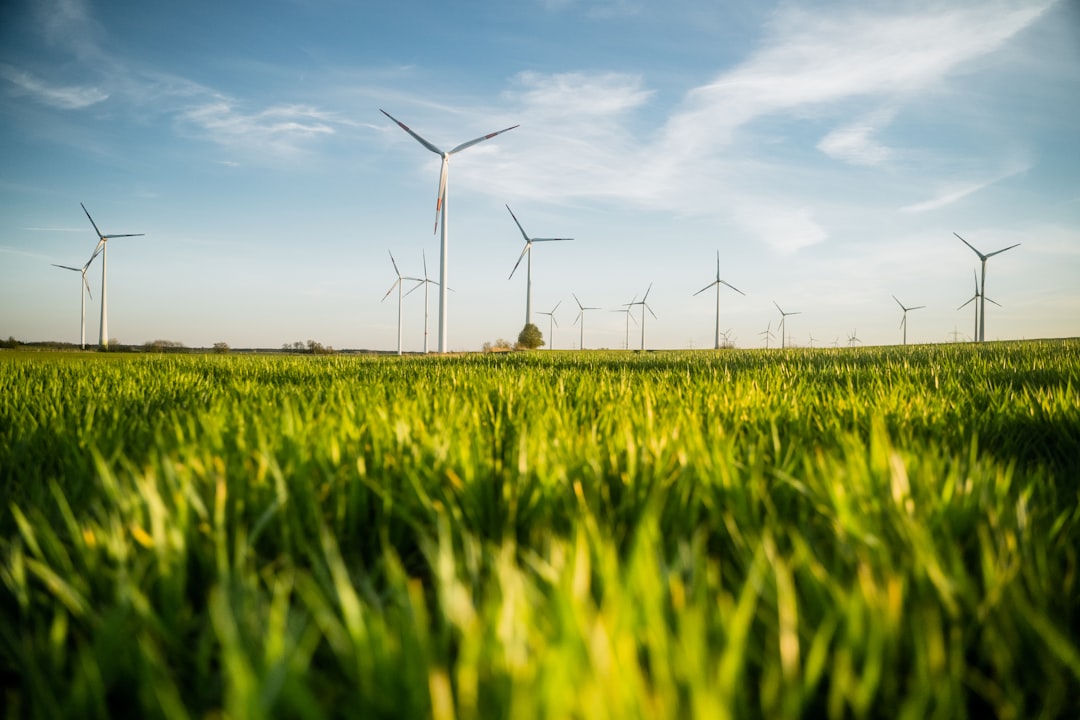
Explore how clean energy solutions, like clean cookstoves, pave the way for a sustainable future driven by policy changes.
Copyright © 2025 EARTHFIT. All Rights Reserved. Designed and developed by Five Online