Biofuels are gaining attention as a renewable alternative to petrol and diesel, made from organic materials like crop waste, algae, or used cooking oil. They offer a cleaner path forward by reducing emissions and supporting sustainable energy goals.
But not all biofuels are equally green. Their true impact depends on how they’re produced and used — making lifecycle emissions analysis crucial for smarter energy choices.
Biofuels are fuels made from organic materials — typically plant-based or derived from waste. They come in several forms:
First-generation: Made from food crops like corn or sugarcane.
Second-generation: Sourced from agricultural waste, forestry residues, or non-food crops.
Third-generation: Produced from algae and other microorganisms.
Biofuels are typically blended with traditional fuels such as petrol and diesel to power vehicles, machinery, and energy generation.
While biofuels are known to produce fewer direct CO₂ emissions compared to fossil fuels, their overall environmental impact — measured over the entire lifecycle from crop cultivation to processing — is a critical factor in determining their true carbon footprint.
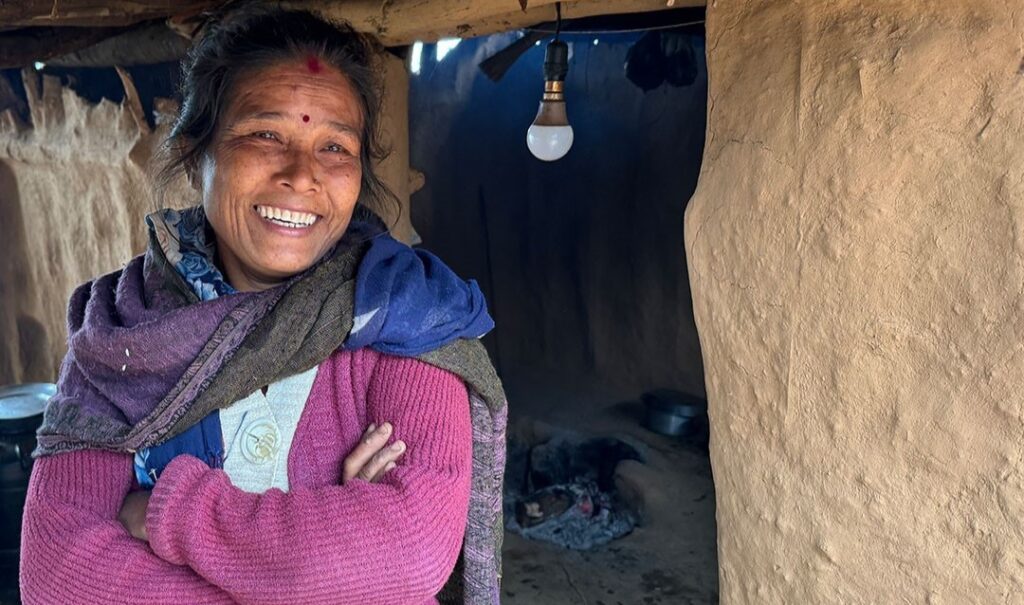
Behind every smile is a story of smoke-free kitchens and empowered living
Biofuel emissions aren’t limited to their use. A full lifecycle analysis includes:
Crop cultivation: Fertilizers release nitrous oxide — a potent greenhouse gas.
Processing: Biofuel refineries may use fossil fuels, reducing overall gains.
Land use: Converting forests or grasslands into biofuel farms releases stored carbon.
Distribution: Transporting biomass and final fuels also generates emissions.
While some biofuels can reduce emissions by up to 70-80% compared to fossil fuels, others may offer much less — especially if linked to deforestation or monoculture farming.
At Earthfit Solutions, we are redefining clean energy access through innovative biomass-based technologies. Our energy-efficient cookstoves, built for rural households, use sustainable biofuels such as wood pellets and agri-waste —significantly reducing emissions and indoor air pollution.
We combine this with carbon credit programs, enabling families and communities to be part of the global carbon offset movement. By choosing Earthfit products, individuals not only save fuel and money but also contribute to a healthier planet.
Earthfit’s clean cooking solutions are not only reducing emissions but also generating carbon credits that bring economic value to rural households.
Learn more about how this works in our detailed guide:
Carbon Offsets for a Healthy Planet

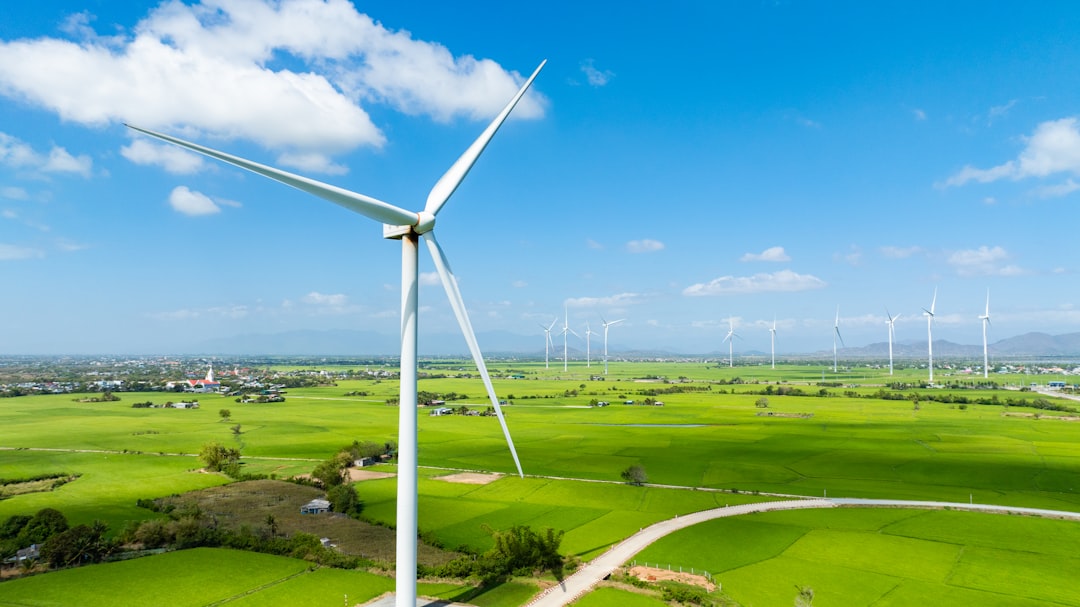
Discover impactful CSR initiatives for clean energy and sustainability in 2026. Explore innovative strategies that make a difference!
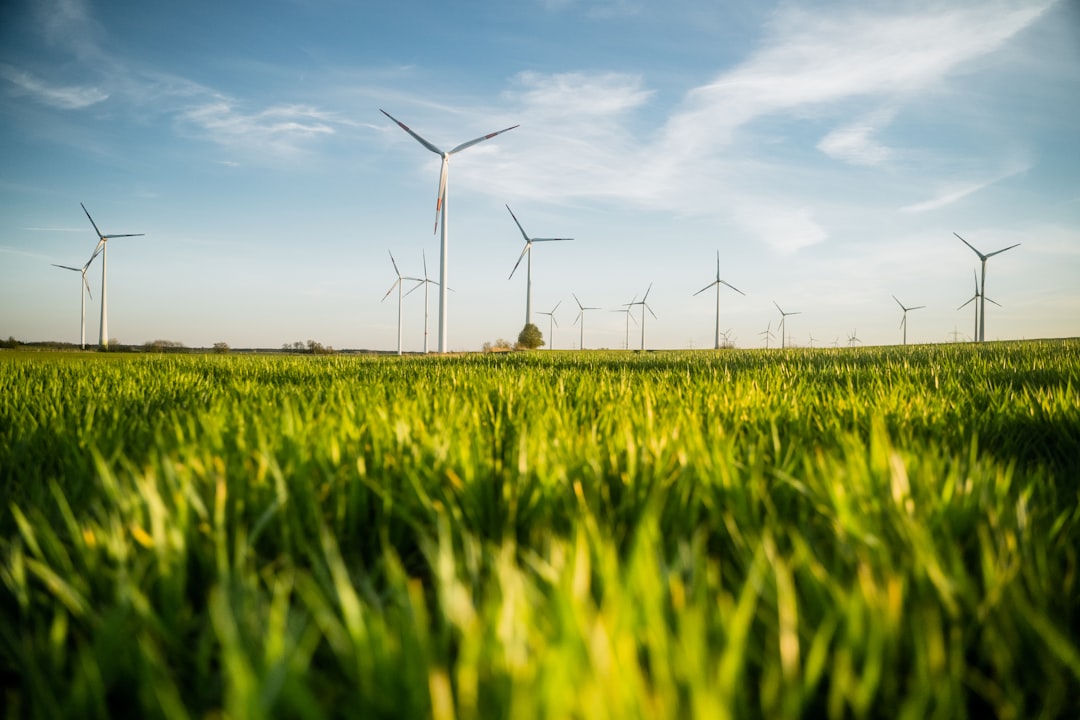
Explore how clean energy solutions, like clean cookstoves, pave the way for a sustainable future driven by policy changes.
Copyright © 2025 EARTHFIT. All Rights Reserved. Designed and developed by Five Online