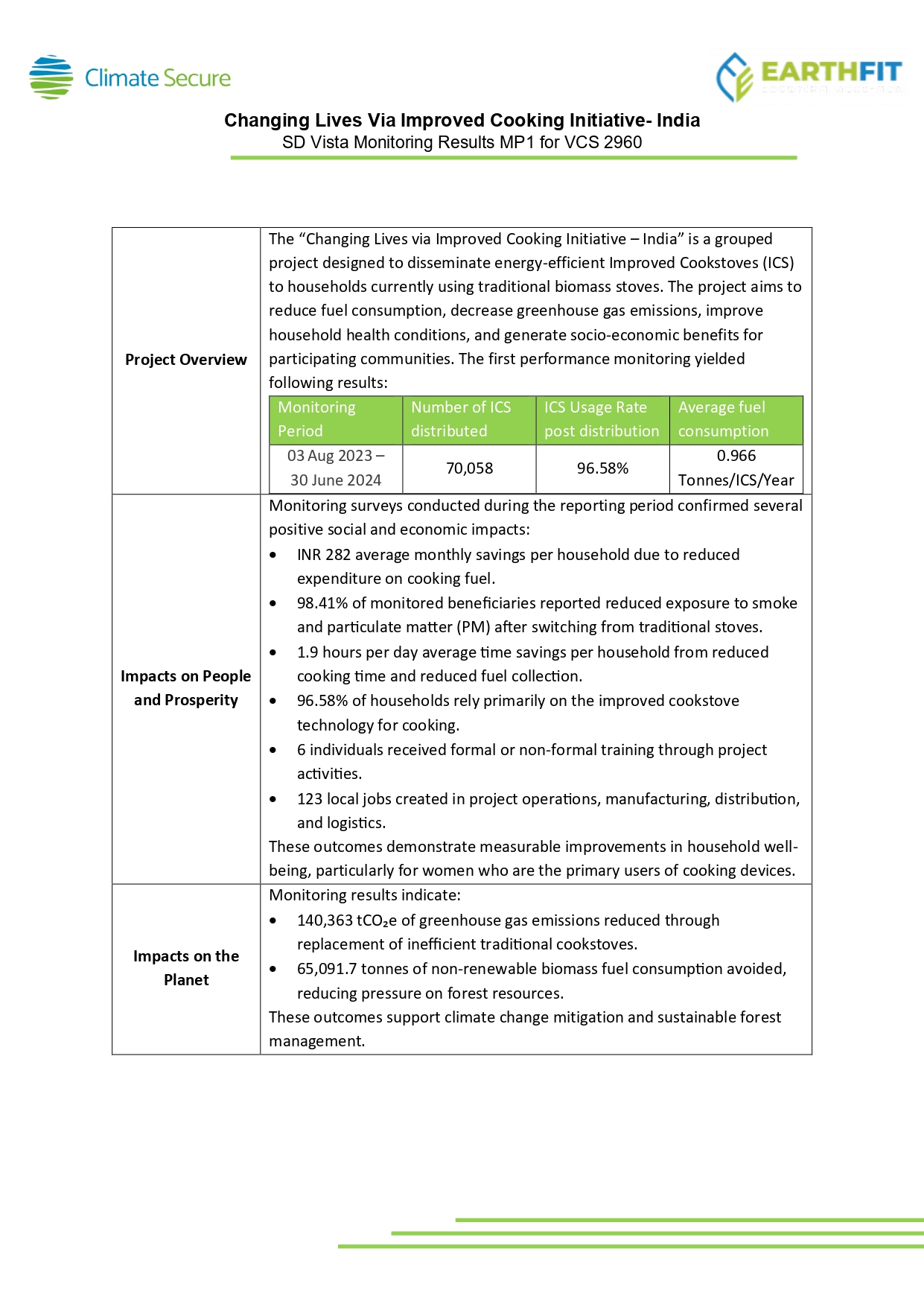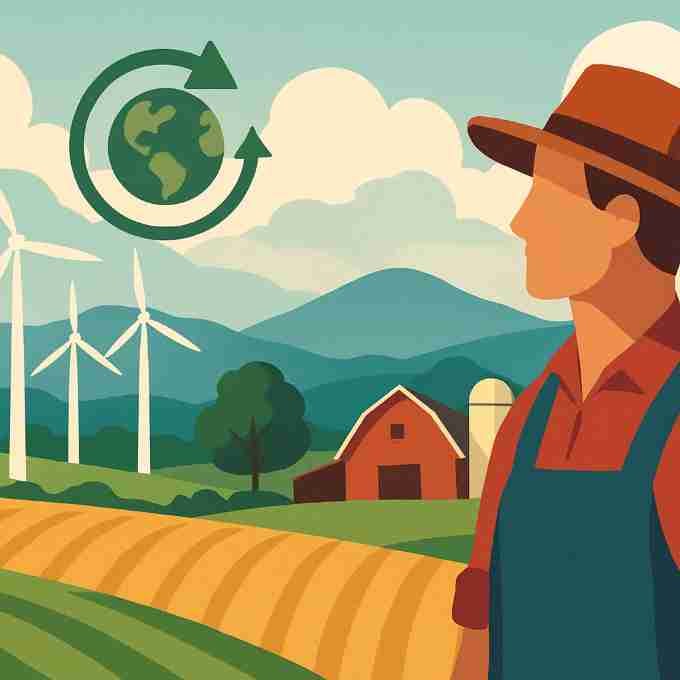
In the face of increasing climate challenges, rural communities are playing a vital role in achieving broader environmental goals such as carbon neutrality and improving health outcomes. As governments and organizations introduce new climate initiatives, understanding how rural areas can effectively prepare becomes essential. These initiatives often focus on sustainable development, renewable energy, and resilient infrastructure, all of which directly impact rural livelihoods and community well-being.
Rural livelihoods refer to the sources of income and ways of life that define rural populations, including agriculture, forestry, small-scale manufacturing, and local services. Preparing for climate initiatives involves adapting these livelihoods to reduce environmental impact while ensuring economic stability. Achieving carbon neutrality, or balancing emitted greenhouse gases with equivalent removals, is a central goal of many climate policies.
For rural communities, this often means transitioning to renewable energy sources and adopting sustainable farming practices. Improving health outcomes, another key aim, involves reducing pollution and enhancing access to clean water and sanitation, which are often challenged by climate-related disruptions.
Preparing for climate initiatives involves a multifaceted approach that includes policy adjustments, community engagement, and technological adoption. First, rural communities need to build awareness about the importance of reducing carbon emissions and the benefits of sustainable development. Education programs can enhance understanding of climate change impacts and motivate local action.
Second, adopting renewable energy solutions such as solar panels, wind turbines, and bioenergy can significantly reduce reliance on fossil fuels. These technologies not only help in contributing to carbon neutrality but also serve as income-generating opportunities when surplus energy is sold back to the grid. Infrastructure improvements, like drought-resistant irrigation systems or weather-resilient housing, can further increase community resilience.
Third, supporting sustainable livelihoods ensures that economic activities remain viable as communities transition to greener practices. This could involve training programs in sustainable agriculture, conservation techniques, or eco-tourism. Financial incentives, grants, and technical assistance from government or non-government organizations can facilitate this shift.
Moreover, integrating health initiatives with climate strategies is crucial. Efforts to improve sanitation, reduce air and water pollution, and promote health education can lead to better health outcomes. These actions help mitigate climate-related health risks such as vector-borne diseases and respiratory issues caused by pollution.
Across different regions, examples of rural communities preparing for climate initiatives highlight innovative approaches. In some areas, farmers have adopted climate-smart agriculture practices, like crop diversification and organic farming, which lower greenhouse gas emissions and improve soil health. Renewable energy projects, such as small-scale solar farms, have been installed in remote villages to provide clean power and support local industries.
Other communities have implemented community-based recycling and waste management programs to reduce pollution and promote sustainable waste disposal. Additionally, some rural regions have invested in water conservation techniques and drought-resistant crops to cope with changing rainfall patterns. These measures not only contribute to carbon neutrality but also improve health outcomes by providing access to cleaner water and reducing indoor air pollution from traditional cooking methods.
Implementing these strategies can lead to tangible benefits. For instance, a rural community that transitions to renewable energy can reduce its carbon footprint significantly, aligning with national climate targets. This shift often results in lower energy costs and increased energy security, which supports local businesses and households.
Similarly, integrating climate-smart agricultural practices can boost crop yields and income stability for farmers while decreasing the environmental impact of farming operations. These efforts contribute to improved health outcomes by minimizing pesticide use, reducing soil erosion, and decreasing respiratory illnesses caused by air pollution.
In addition, establishing local health and sanitation programs that focus on reducing pollution and providing clean drinking water directly enhances health outcomes. These initiatives help reduce the incidence of waterborne and vector-borne diseases, ensuring that rural residents enjoy healthier lives alongside their climate resilience efforts.
Preparing for the latest climate initiatives is essential for rural communities aiming to sustain their livelihoods while contributing to global environmental goals like carbon neutrality and improved health outcomes. It involves building awareness, adopting renewable energy, supporting sustainable industries, and integrating health-focused strategies. Success stories across various regions show that innovative approaches can achieve significant environmental and social benefits.
By proactively engaging in climate resilience measures, rural communities can secure a sustainable future despite the challenges posed by climate change. Earthfit Solutions supports these efforts by offering tailored programs that empower rural populations through specialized training, technical assistance, and sustainable development initiatives. Our commitment ensures that rural areas are not left behind as the global community advances toward a more sustainable and healthier planet.


Discover how enhancing health outcomes aids rural energy transition for sustainable development by 2026.
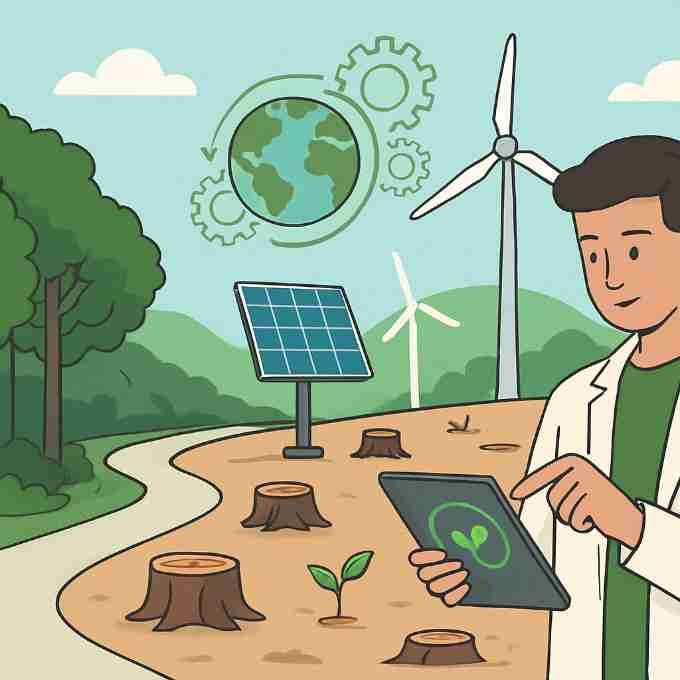
Discover how sustainable tech is pivotal in achieving net-zero emissions and combating deforestation effectively.
Copyright © 2025 EARTHFIT. All Rights Reserved. Designed and developed by Five Online